Safe Water Projects Deliver Lasting Gains When Communities Lead
Water access can return time, support school attendance and strengthen livelihoods when local people can maintain the systems and shape their use.
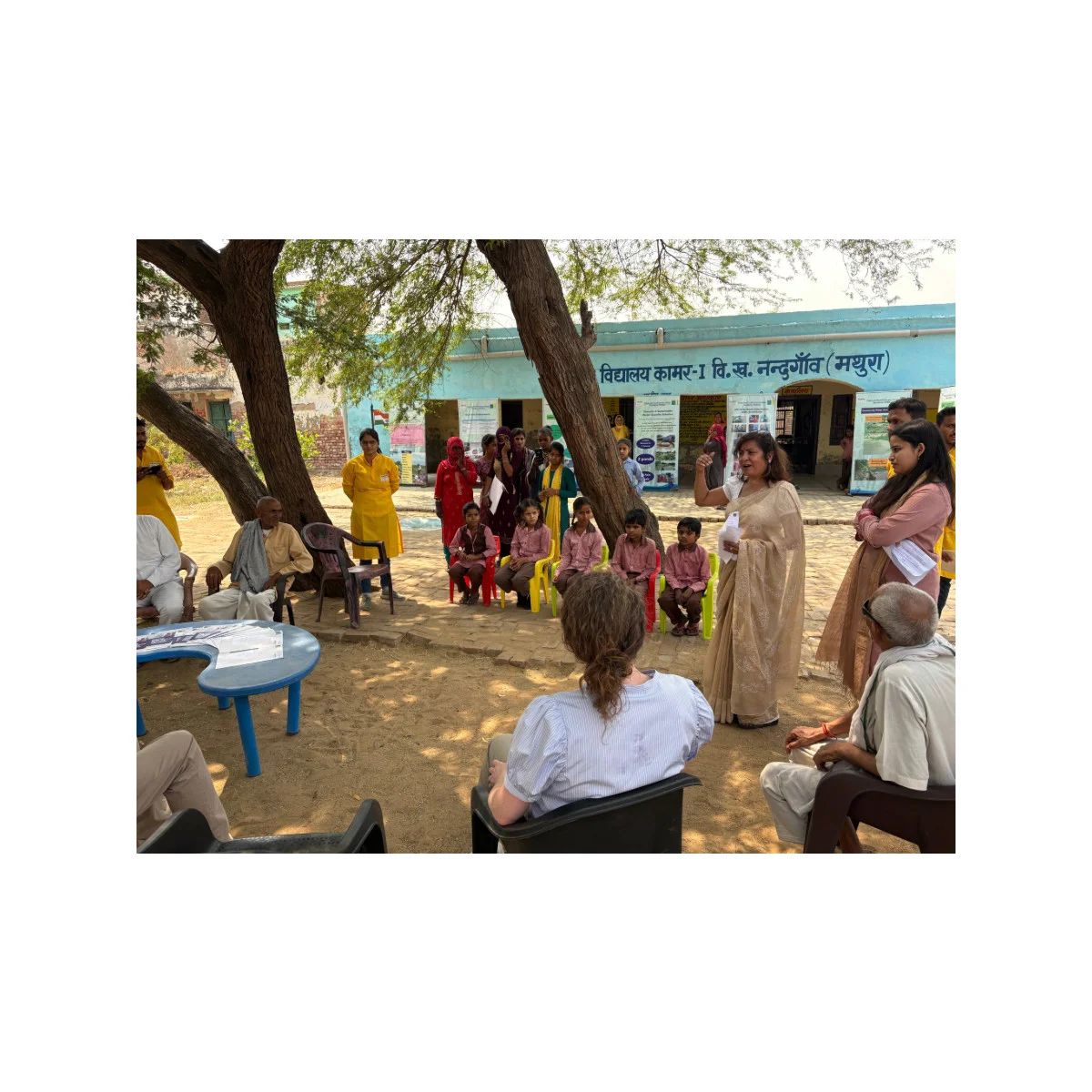
Safe water infrastructure matters most when it changes what people can do with their time. In communities near PepsiCo’s manufacturing facility in Kosi, India, rainwater collection and school water and sanitation facilities have helped ease daily burdens. The lasting gains, though, depend on local people learning to run the systems, care for them and build new opportunities around them.
Roughly one in four people worldwide still cannot rely on safe water at home. That figure describes the scale of the need, but not the daily cost: hours spent collecting water, missed school and fewer chances to earn an income. Counting people reached, liters replenished, systems installed and money invested can show the reach of a program. It cannot, by itself, show how those changes reshape a family’s day.
Time returned, opportunities opened
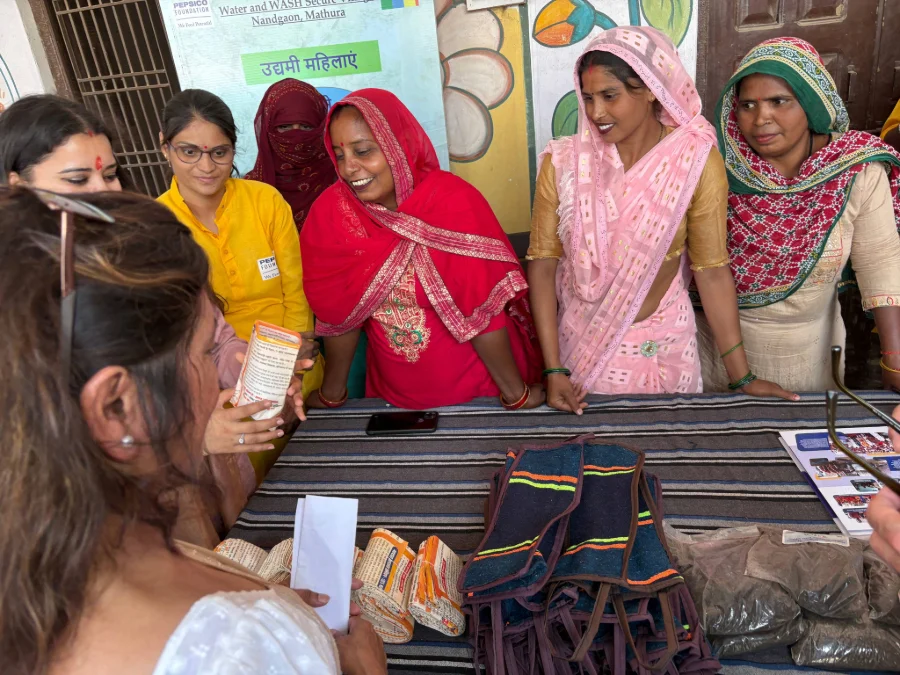
In communities near Kosi, women had spent hours each week collecting water for their families. After a rainwater harvesting structure was installed, that burden eased. During a visit several years later, the women were making and selling handmade crafts. Time once spent carrying water had become time for entrepreneurship, income and new possibilities for their households and community.
A nearby school faced a related challenge. Without safe drinking water and sanitation, attending class regularly was harder for many children, particularly girls. Rainwater collection, filtration, hand-washing stations and toilets addressed immediate needs, but the facilities were only the first step. Students took on roles maintaining the equipment, promoting hygiene and teaching those practices to others.
Since 2022, the program has trained 1,400 people, expanded across six villages and reached 76,000 people in the community. It has also helped conserve 28 million gallons of water. Those figures describe the program’s scale; the students’ role helps explain how it may last. When people who use a system also know how to care for it, they can help keep it useful after installation is complete.
What makes access last
Since 2010, PepsiCo and the PepsiCo Foundation have helped approximately 97 million people gain access to safe water, toward a stated goal of reaching 100 million by 2030. That progress is substantial, but access alone does not establish whether a system will continue to serve people years later. Three lessons from this work point to what else is needed.
- Measure what the infrastructure makes possible. A filtration station, rainwater harvesting system or school toilet is visible and countable. Its wider value can show up in time returned to families, more consistent school attendance and stronger livelihoods. Tracking those effects alongside installations gives a fuller view of whether a project is meeting people’s needs.
- Build relationships that continue after installation. A completed system needs people who understand local conditions and can respond when maintenance is needed. In Kosi, PepsiCo India colleagues, local partners and community members have worked alongside one another. That proximity can help a project reflect local priorities and support its upkeep over time. No single organization has all the knowledge required; local experience and trusted relationships are part of the work.
- Pair funding with practical skills. Construction needs capital, while long-term operation also calls for technical knowledge and local leadership. Expertise can help protect watersheds, for example, while training gives communities the ability to operate and maintain water systems. The same principle applies to agriculture: farmers need methods suited to their crops and conditions, along with the capacity to use them.
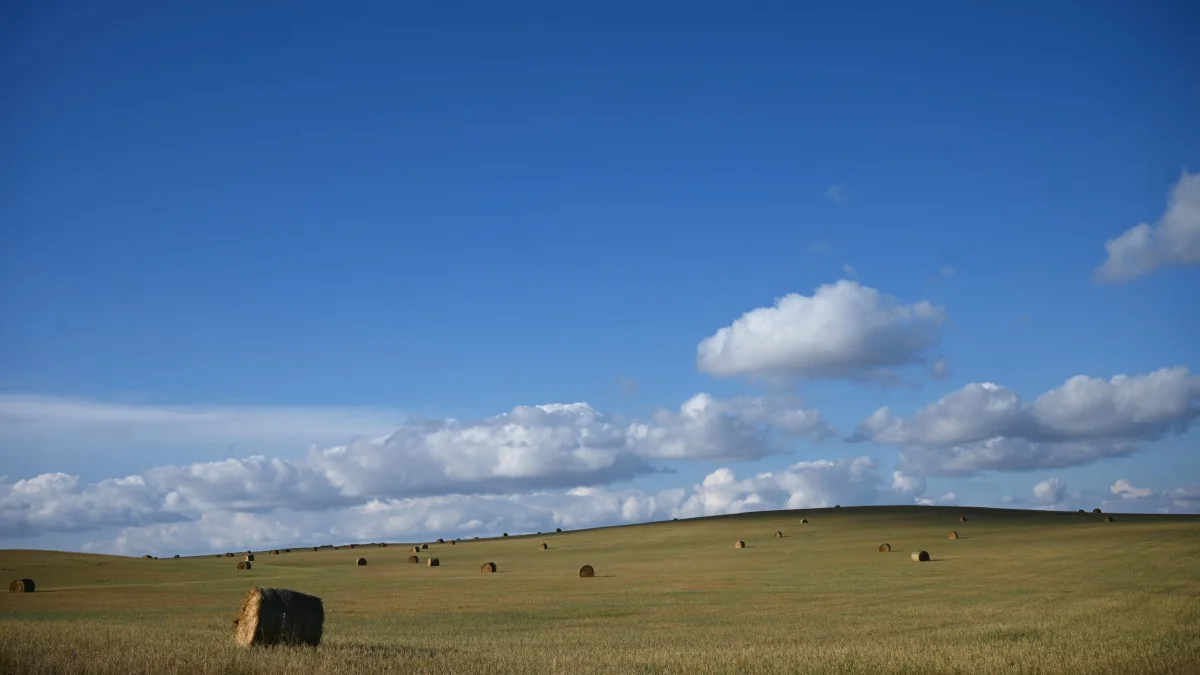
In Egypt, PepsiCo agronomists have worked with smallholder farmers on irrigation and water stewardship practices. The account describes healthier crops with deeper roots, improved yields and higher incomes. Over three years, the shift to improved irrigation methods saved more than 1.2 billion liters of water. Farmers who adopted the methods saw an average 18% increase in crop yields and a 30% decrease in irrigation costs, according to the cited research.
Connecting household access and watershed health
For companies tied to food production, water connects farms, operating sites, communities and ecosystems. Work on safe household water and work to replenish water resources can reinforce one another when both support the same watershed. Replenishment aims to restore local resources; access programs help people use water reliably. Taken together, those efforts can support water security for communities and resilience in places where businesses operate, source ingredients and employ people.
By the end of 2025, PepsiCo reported achieving 100% water replenishment at its company-owned manufacturing facilities in high-risk watersheds. That company-reported milestone sits alongside its work to expand safe water access. The two measures describe different parts of water stewardship: one concerns replenishing resources in particular watersheds, while the other concerns people’s ability to obtain safe water. Neither figure alone shows whether systems remain functional or whether benefits are distributed as communities need them.
The practical test comes over time. Are facilities still working? Can local operators maintain them? Are families spending less time securing water, and are students able to attend school more consistently? These questions connect infrastructure and water accounting to daily experience.
Reaching 100 million people would mark progress toward PepsiCo’s stated target, but the number is only one measure of success. The Kosi example shows why local leadership, operating skills and long-term relationships matter alongside construction. A durable water project is one a community can keep using and shaping, with benefits that continue well beyond the day the equipment is installed.