EUDR Traceability: Supply Chain Challenges and Business Opportunities
EUDR requires detailed sourcing evidence for forest-risk commodities. Better traceability can also support resilience, risk management and stakeholder trust.
The European Union Deforestation Regulation (EUDR) raises the evidence standard for businesses handling commodities linked to deforestation. Its immediate demands are practical: trace products to where they were produced, gather reliable records from suppliers and show that sourcing meets the rules. Those investments may also give companies a clearer view of supply chain risks and opportunities.
That wider value matters because EUDR comes amid growing expectations that companies substantiate environmental claims. Certifications and supplier declarations still have a role, but they cannot, on their own, meet the regulation’s requirements. The shift is toward verifiable information about origins, land use and sourcing practices.
What EUDR requires from supply chains
The regulation covers cattle, cocoa, coffee, palm oil, rubber, soy and wood, along with many products derived from them. Businesses placing covered products on the EU market, making them available there or exporting them from the EU must demonstrate that the products are deforestation-free and were produced in line with the laws of their country of origin.
A central requirement is precise geolocation data showing where commodities were produced. Companies must also provide evidence that the land was not subject to deforestation after the regulation’s cut-off date. That calls for traceability down to the production origin, supported by documentation that can substantiate a company’s claims.
For organizations accustomed to broad supplier assurances, this is a substantial operational change. Information needs to travel through supply chains that may span many intermediaries, businesses and data systems. Companies must collect records, check their accuracy and keep them usable over time.
Where implementation can become difficult
Supplier networks vary in their digital capacity and record keeping. Fragmented systems can make it hard to assemble a consistent account of a product’s journey, while the effort to verify data can demand staff time and investment. Maintaining current records adds another ongoing task.
Smaller suppliers and smallholders may have fewer resources to meet detailed traceability demands. Without practical support, they could struggle to remain connected to international markets. For businesses that rely on these producers, supplier engagement is therefore part of implementation: data requests need to be matched with a workable way to provide the information and address gaps.
Companies also face changing reporting processes, data management needs and closer scrutiny of their sourcing claims. Errors can carry serious consequences, including financial penalties, product seizures and reputational harm. These pressures make accurate information and clear internal responsibility important across procurement, sustainability, risk and technology teams.
Still, the underlying challenge extends beyond EUDR. Investors, customers and regulators are seeking greater visibility into environmental and social impacts. In that sense, the regulation forms part of a broader move toward supply chains where businesses can explain not only what they claim, but the evidence behind those claims.
What traceability can reveal
Detailed sourcing data can serve as a management tool as well as a way to meet requirements. It may help companies spot inefficiencies, assess operational exposure and respond more effectively when supply chains are disrupted. Better information can also inform procurement choices and improve communication with suppliers.
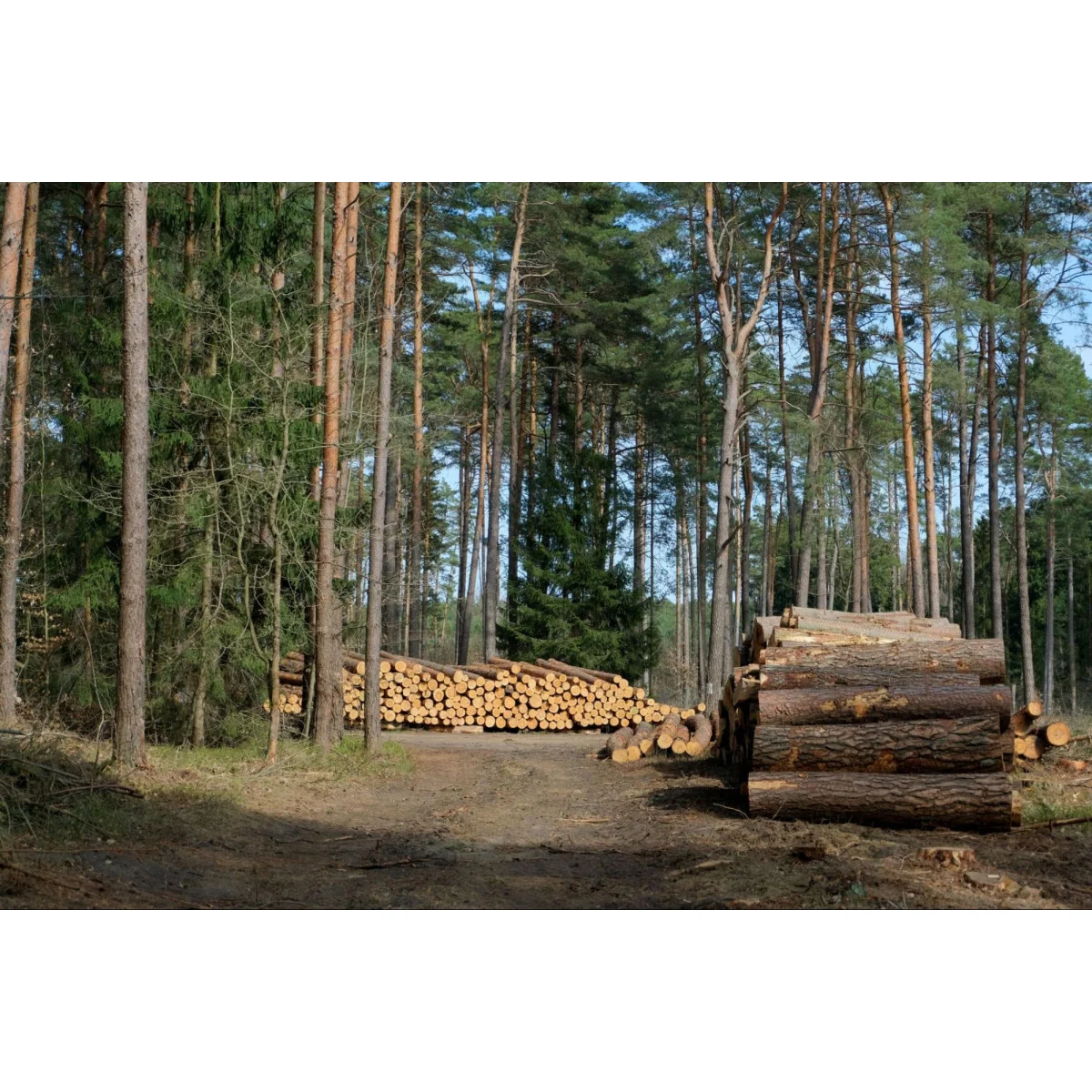
Wood products offer one example. Traceability can help businesses examine where materials come from, check sourcing legality, monitor resource use and understand environmental impacts associated with raw materials. That visibility can support wider work on biodiversity, climate resilience and responsible resource management.
The benefits depend on data quality and how companies use it. A system that gathers records without connecting them to purchasing decisions, risk reviews or supplier relationships may deliver less value. The more useful approach links traceability information to decisions across the business, so that teams can act on what the data shows.
Accountability becomes an operating practice
EUDR also reflects a change in how sustainability commitments are assessed. Targets and public statements still matter, but stakeholders increasingly look for evidence that companies are putting them into practice and measuring progress. Under this approach, accountability sits within day-to-day operations rather than only in external communications.
That makes implementation a shared task. Procurement teams need sourcing information; sustainability specialists need to assess environmental impacts; risk teams need to understand potential exposure; and technology teams need to support reliable data handling. Connecting those functions can help companies make traceability part of routine decisions instead of an isolated reporting exercise.
Businesses will need to spend on digital systems, supplier engagement and due diligence processes to meet EUDR’s requirements. The costs are real, but so is the potential value of the capabilities those investments create: better-informed decisions, stronger supply chain resilience, more confident stakeholder relationships and lower exposure to environmental, legal and reputational risks.
For companies working with resource-intensive materials, nature-related risks and biodiversity are becoming more prominent in business planning. The EUDR’s lasting contribution may therefore reach beyond the specific commodities it covers. Companies that build a reliable account of where materials come from, how they are sourced and how they are used will be better equipped to manage both current demands and rising expectations for credible evidence.