Humpback Whales: Recovery, Migration and the Risks Still Facing Them
Humpbacks have rebounded after heavy hunting, but uneven recovery, warming seas, fishing gear and ship noise continue to threaten some populations.
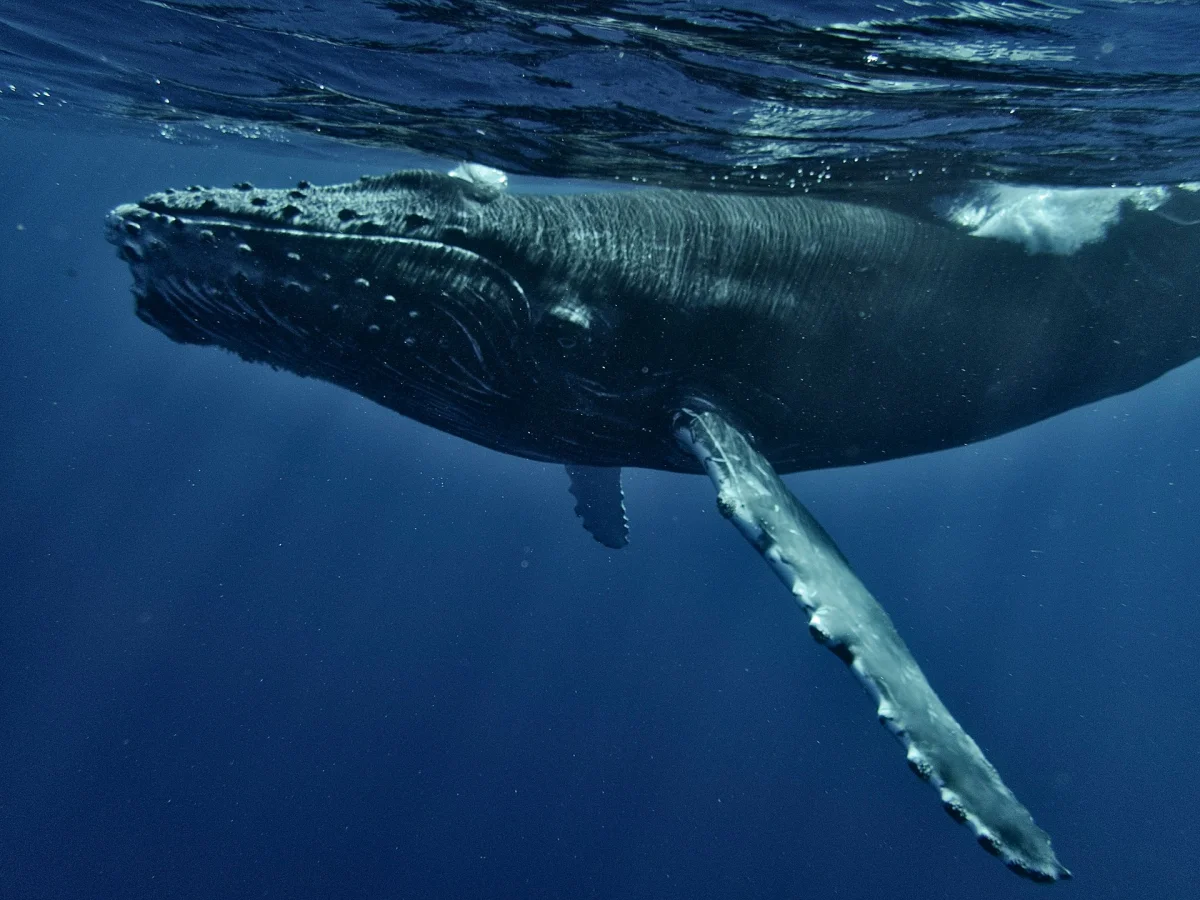
Humpback whales combine a striking recovery story with a reminder that conservation gains can remain uneven. Their numbers have risen after commercial whaling reduced global populations by an estimated 90%, yet some groups still face serious risks from fishing gear, vessel strikes and changing food supplies.
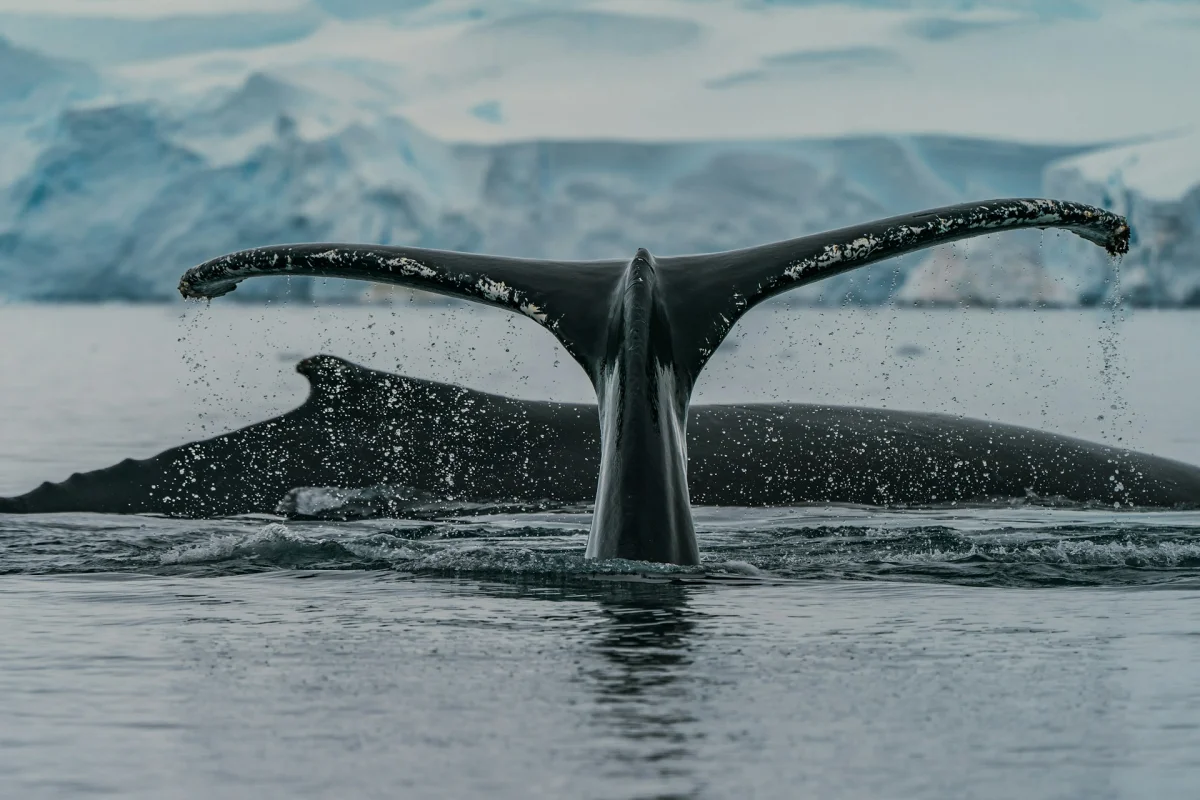
They’re also among the ocean’s most recognizable whales. Humpbacks breach dramatically, arch their backs before deep dives and show distinctive black-and-white patterns beneath their tail flukes. That mix of visible behavior and long migrations has made them familiar to the public—and valuable to researchers studying individual whales over time.
Built for long journeys
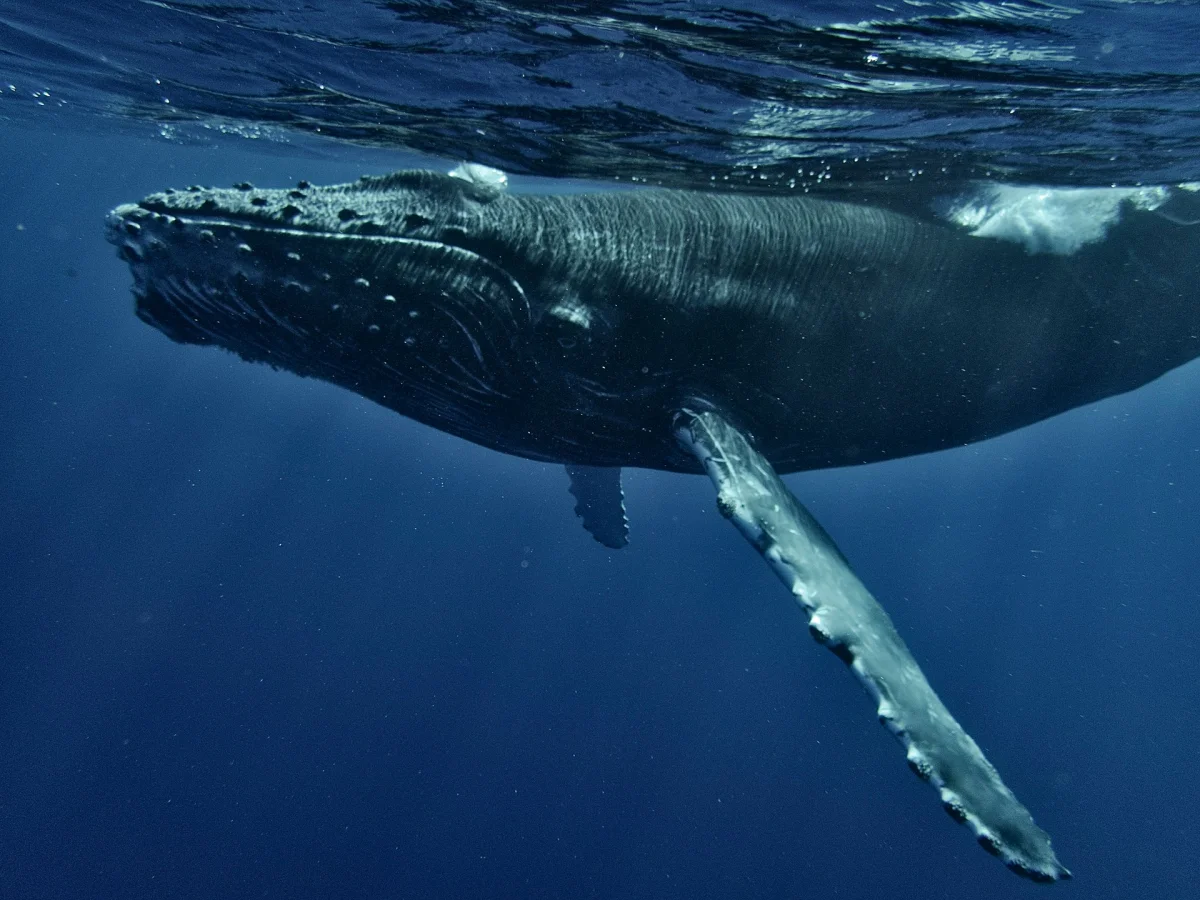
The name “humpback” refers to the raised shape that appears as a whale arches to dive. Its scientific name, Megaptera novaeangliae, translates as “big-winged New Englander,” a reference to the long pectoral flippers. These can reach 16 feet—about a third of the animal’s total length.
Tail patterns offer another way to tell whales apart. Researchers use photographs of the underside of the flukes to identify individual animals, then track sightings across thousands of miles and over lifetimes that can span decades. The markings are distinct enough to have inspired a novel by writer Christopher Moore.
Humpbacks undertake some of the longest migrations of any mammal. Their routes vary by population, but many spend summer in cold, nutrient-rich polar waters feeding on krill and small fish. Some use bubbles to gather prey into a tighter area. After building up fat reserves, they travel thousands of miles to warmer waters near the equator, where they mate and give birth. They eat little during migration and the winter breeding season, relying on stored blubber.
Songs that helped make them famous
Male humpbacks produce elaborate underwater songs made up of moans, howls and cries. A song can continue for hours, and its patterns change over time. New versions can spread through a whale population, giving researchers a way to observe how vocal behavior travels between animals.
The songs also helped bring public attention to the threats whales faced. Bio-acoustician Roger Payne recorded the album Songs of the Humpback Whale, released in 1970. It sold more than 100,000 copies and helped spur the global “Save the Whales” movement. The music reached listeners well beyond research circles: one fan recalls hearing an excerpt on a flexible plastic record included with National Geographic magazine in 1979.
A recovery that varies by population
Commercial whaling drove humpback numbers down sharply before an international whaling moratorium took effect in 1986. The species is now classified as “least concern” by the IUCN, with an estimated 84,000 adults and a population described as rising. Many groups have recovered substantially, though the pace and extent of that rebound differ by location.
Some regional changes stand out. Humpbacks had nearly disappeared from waters off Brazil four decades ago, but their numbers there have since rebounded. Near New York City, the nonprofit Gotham Whale has documented 500 humpbacks, compared with 10 to 30 in the area a decade earlier. Sightings have also turned up in unexpected places, including a California river far from the open ocean.
Those examples don’t describe every population. Humpbacks in the Arabian Sea and Oceania remain endangered, and newly published research suggests the Arabian Sea group may be a distinct subspecies with low genetic diversity. That combination could leave the population especially vulnerable to further losses.
Food and noise shape the risks ahead
Even populations that have grown face hazards in modern oceans. Whales can become entangled in commercial fishing gear or struck by vessels. As climate change shifts marine food webs and krill distributions, humpbacks may need to feed in different locations, where they can encounter more ship traffic.
A marine heatwave in the northeastern Pacific from 2013 to 2016 coincided with crashes in krill and small-fish populations. A recent study linked those declines to a drop in humpback numbers in Hawaiʻi. The episode shows how a change in ocean conditions can affect prey first and whales after them.
Reports of starved, emaciated whales washing ashore in places such as Maine and Oregon have raised further concerns, though the source does not establish what caused those cases or whether they signal a wider trend. The connection between whale health, prey availability and ocean conditions is one to watch as those pressures continue to shift.
Noise is another concern. A recent study found that engine sounds reduced scientists’ ability to record humpback calls by 40–45%. That affects monitoring, and it raises a question about how noise may interfere with communication between whales. The source also describes an entanglement that badly injured a humpback’s jaw, illustrating the physical harm fishing gear can cause.
Ways to reduce pressure
Responsible whale watching starts with keeping boats at a safe distance. Changes to fishing gear, including ropeless technology, could help reduce entanglements. Reducing boat noise in important migration corridors could also make it easier to monitor whale calls and limit disturbance. Protecting marine habitat and addressing climate change would support the food webs humpbacks depend on.
Humpbacks’ comeback shows that populations can recover after severe declines. Their future, though, depends on conditions in the places where they feed, migrate and breed—and on whether practical steps can reduce the risks they encounter along the way.
Recent reports have also drawn attention to individual whales: one appeared to show grief after losing a calf, while another was spotted far upriver in California. Such events can deepen public interest, but the broader picture comes from long-term identification, population counts and research on the food and habitats these whales need.
The next installment in the whale series is still to come. Readers can suggest a species at jplatt@therevelator.org.

Previously in The Revelator
Songs Whales Sing: The Peculiar History of Commercial Whaling
The original post, Whale of the Month: Humpback Whales, appeared on The Revelator.