Virtual Fencing Offers Western Ranchers New Ways to Manage Cattle and Wildlife
GPS collars can reduce fence building and guide grazing, but cost, reliability and terrain still limit their reach.
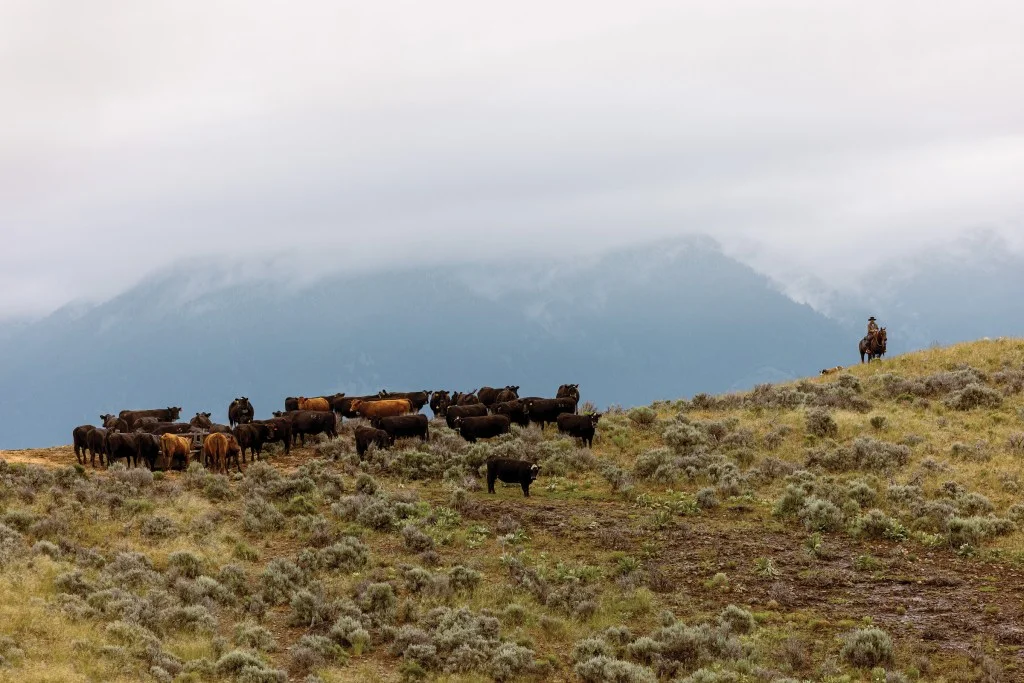
GPS collars are giving some Western ranchers a way to guide cattle without building another stretch of wire. The technology could help keep herds away from vulnerable habitat, make grazing easier to manage and speed recovery after wildfires destroy fences. But early trials also show why collars are unlikely to clear the West of physical barriers anytime soon: equipment fails, terrain affects performance, and ranchers need confidence in a system their livelihoods depend on.
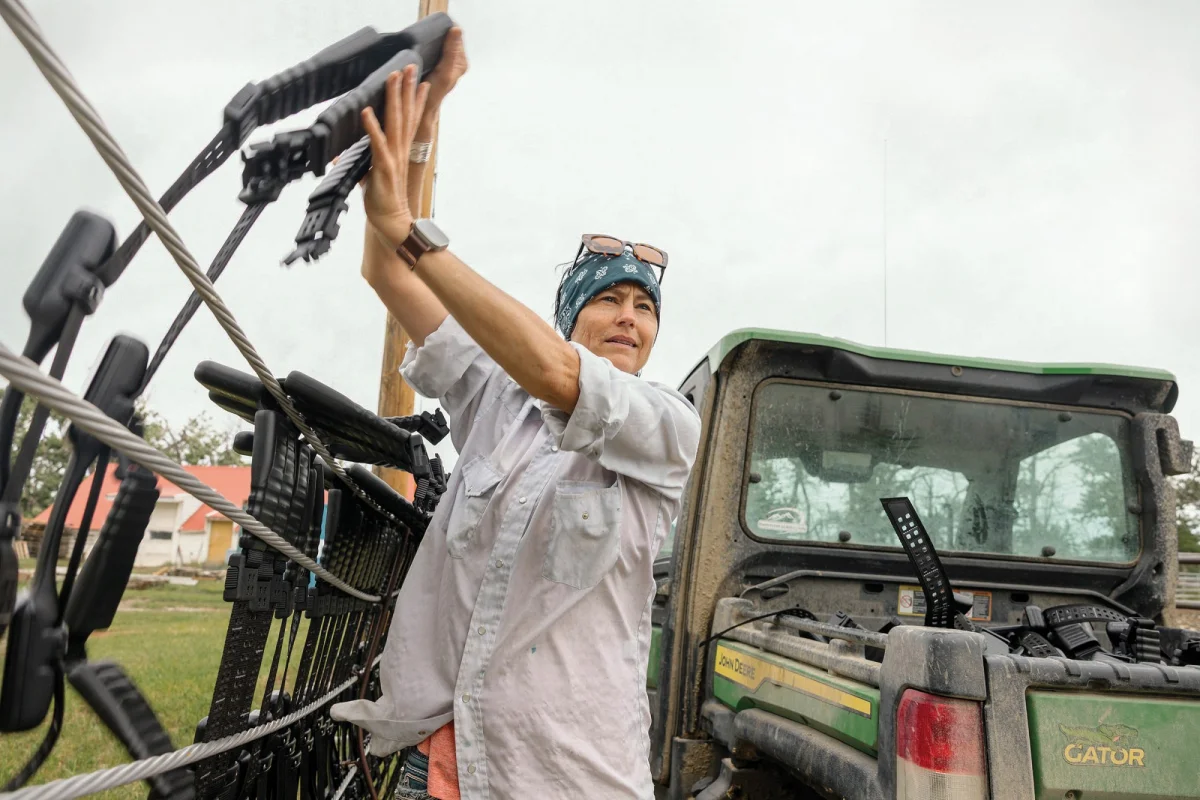
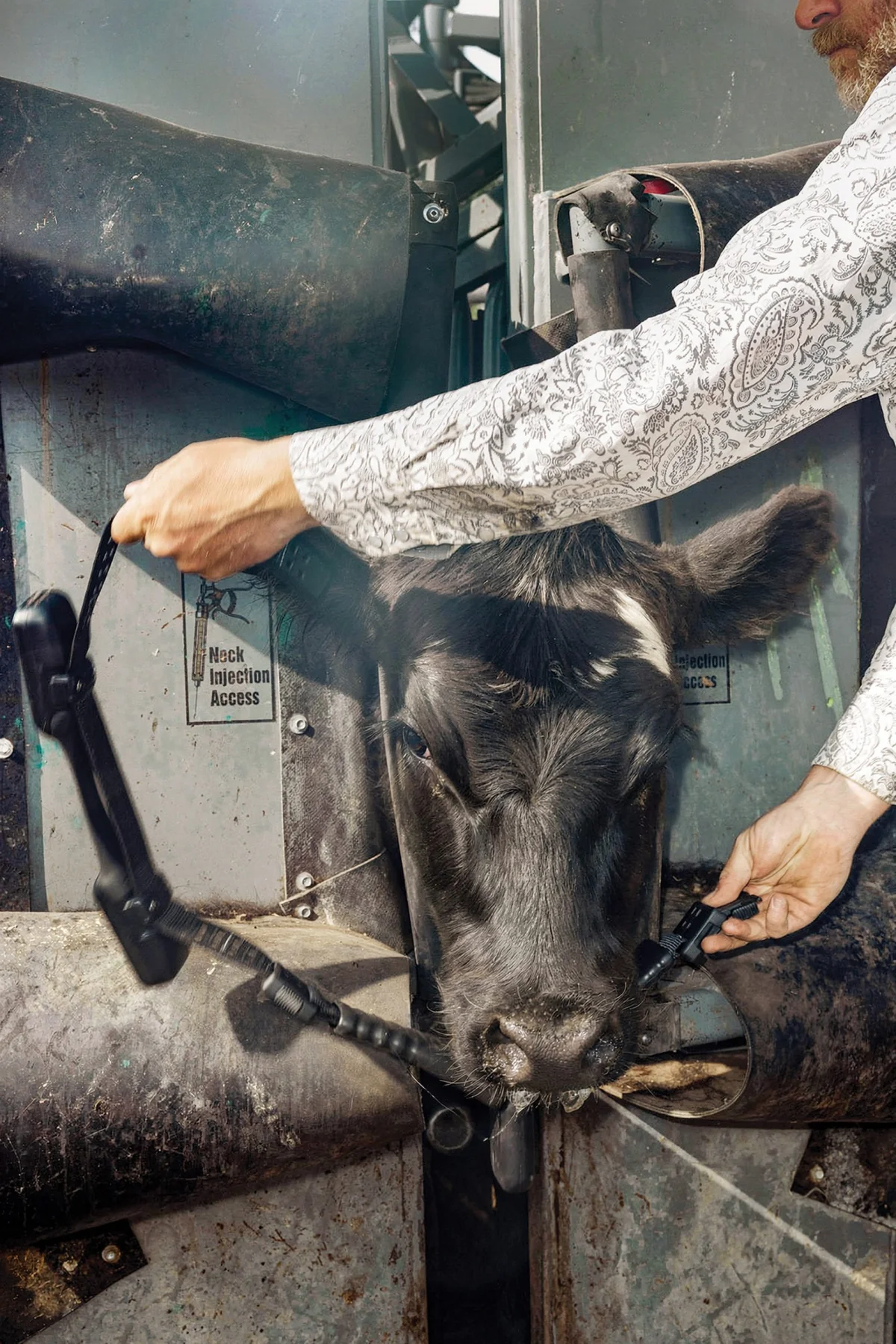
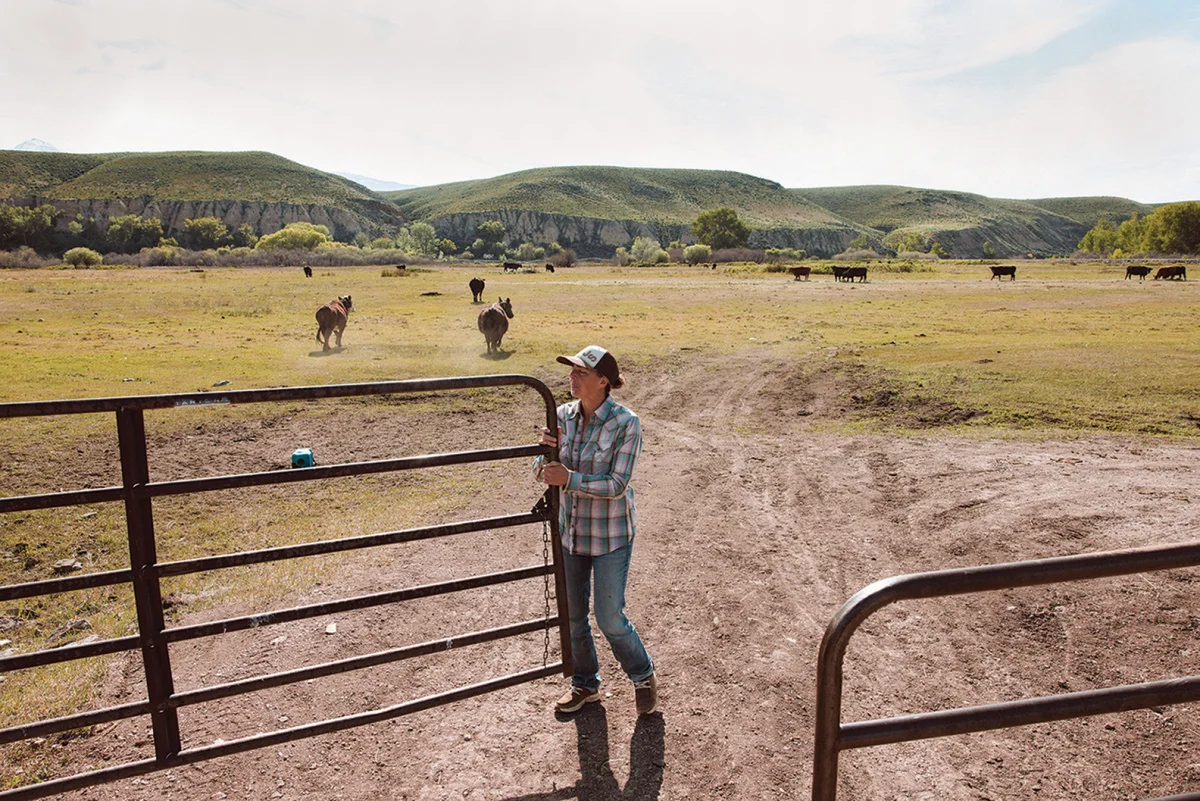
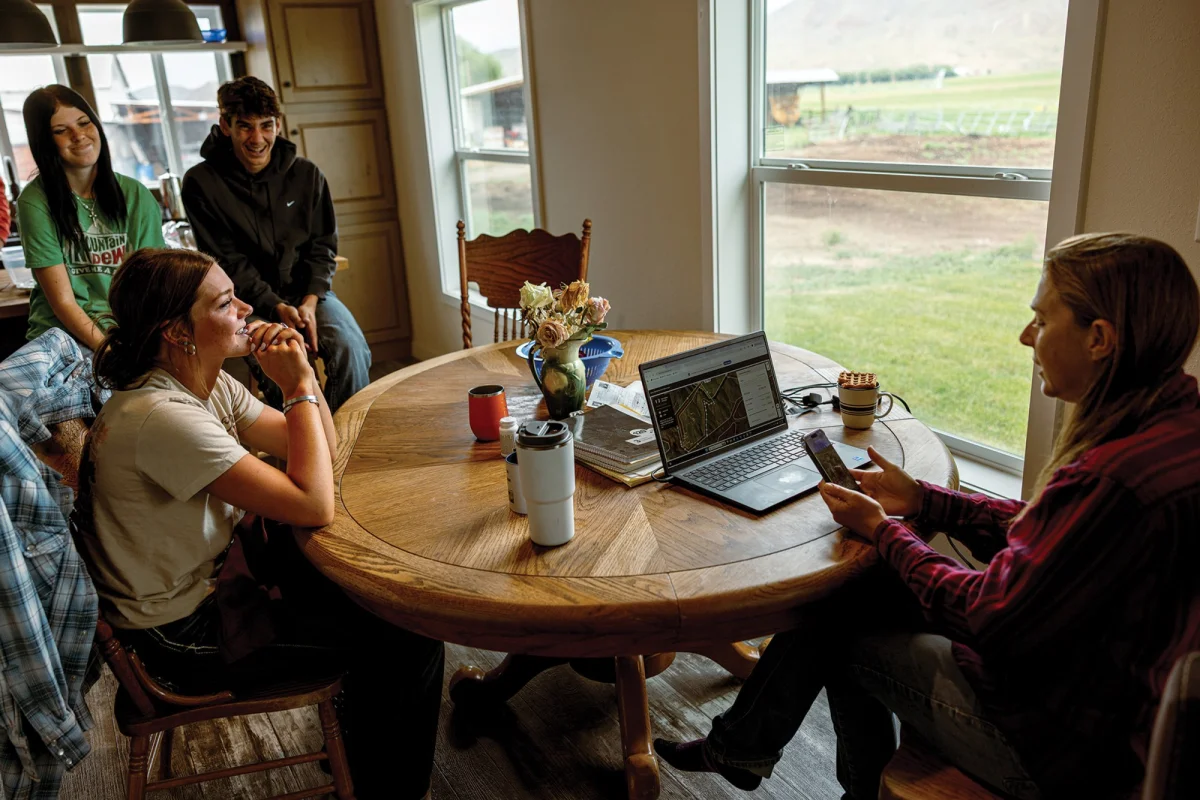
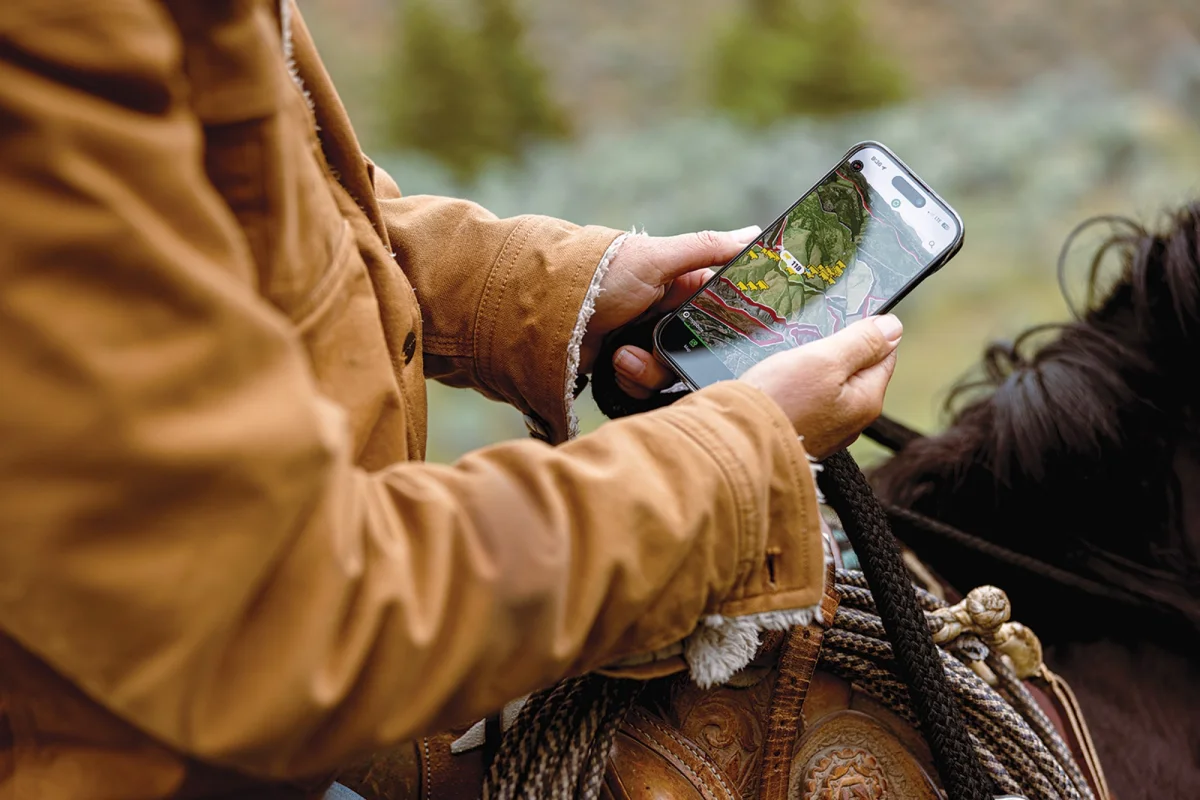
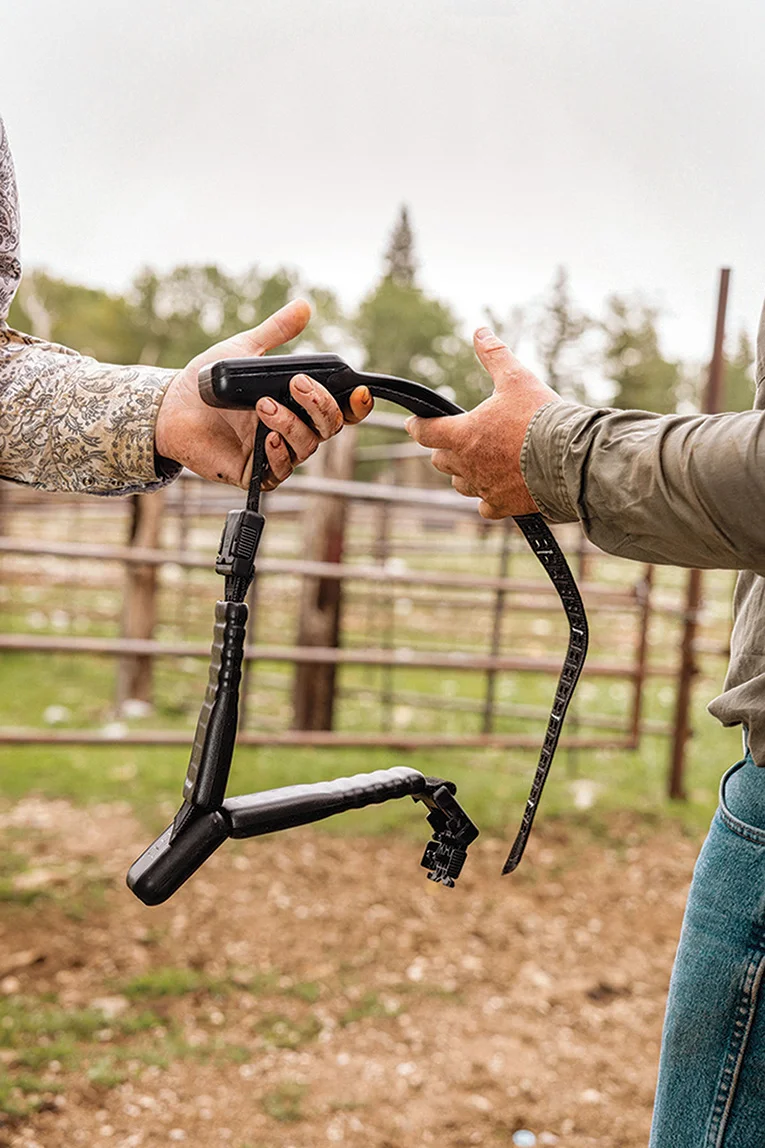
At the McFarland White Ranch near Two Dot, Montana, cattle are fitted with collars that use GPS to track their location. Nearby base stations relay information to an app, where ranchers Harrison and Lanie White can draw boundaries on a map. When a cow approaches one, the collar gives a sound warning. If it continues, the collar delivers a shock.
The Whites began using virtual fencing in 2022. Their first system, Vence, struggled with collars that broke or slipped off. They later switched to Halter, fitting 350 cows in fall 2024 and adding more as the trial continued. Lanie White has kept testing the approach despite setbacks. For her, the prospect is large: virtual fencing could change how a ranch manages land and livestock.
A long history of dividing Western land
Physical fencing has shaped Western landscapes for generations. An estimated 620,000 miles of barbed wire and other fencing cross the region, often following the straight lines of property and land-survey boundaries rather than ecological features. Those barriers let land managers control where livestock graze, but they can also restrict wildlife movement and require substantial labor and materials to maintain.
The spread of barbed wire followed westward settlement in the 19th century. Plains settlers had fewer trees and stones for fencing than people in the East, while livestock could push through smooth wire. Illinois farmer Joseph Glidden patented a barbed-wire design and the machinery to manufacture it in 1873. The relatively inexpensive material spread rapidly, allowing land to be enclosed at a scale that had previously been difficult to achieve.

Fences also helped establish a system of private land control that displaced Indigenous communities and changed how land was used. Scholar Dina Gilio-Whitaker, of the Confederated Tribes of the Colville Reservation, describes fencing as part of a wider set of tools that enabled Western colonization. The division of communal reservation land into individual parcels under the Dawes Act of 1887 further tied land ownership to an individual-property model.
Wildlife consequences became more visible over time. Early in the 20th century, fencing along Yellowstone National Park’s northern boundary was intended to keep livestock outside and pronghorn inside. The pronghorn population declined, and that fencing was removed. By the 1960s, researchers were documenting animals caught in fences. In 1965, photographs of pronghorn reportedly trapped in Wyoming sheep fencing helped prompt an effort to limit barriers that blocked wildlife movement on public land. A contemporary Bureau of Land Management report counted 4,804 miles of barbed wire and 1,340 miles of woven wire fencing on public land in Wyoming.


Virtual fencing offers a different form of control: the boundary exists in software, and the collar communicates it to the animal. The concept has been around for decades. Invisible barriers for dogs were patented in 1973, and researchers explored radio-based systems in the late 1980s. Agricultural researchers began adapting the idea for cattle in the early 2000s. Making it work commercially across the broad, rugged grazing areas used by Western beef cattle took much longer.
Commercial use in the West accelerated after 2021. Ranchers have been testing collars to replace fencing damaged by fire, protect stream areas and wildlife habitat, and direct cattle onto firebreaks or particular pastures. The Nature Conservancy and the Southwest Montana Sagebrush Partnership, for example, support eight Montana ranchers testing systems from Vence, Halter and Gallagher eShepherd.


Wildfire makes the cost of fencing tangible
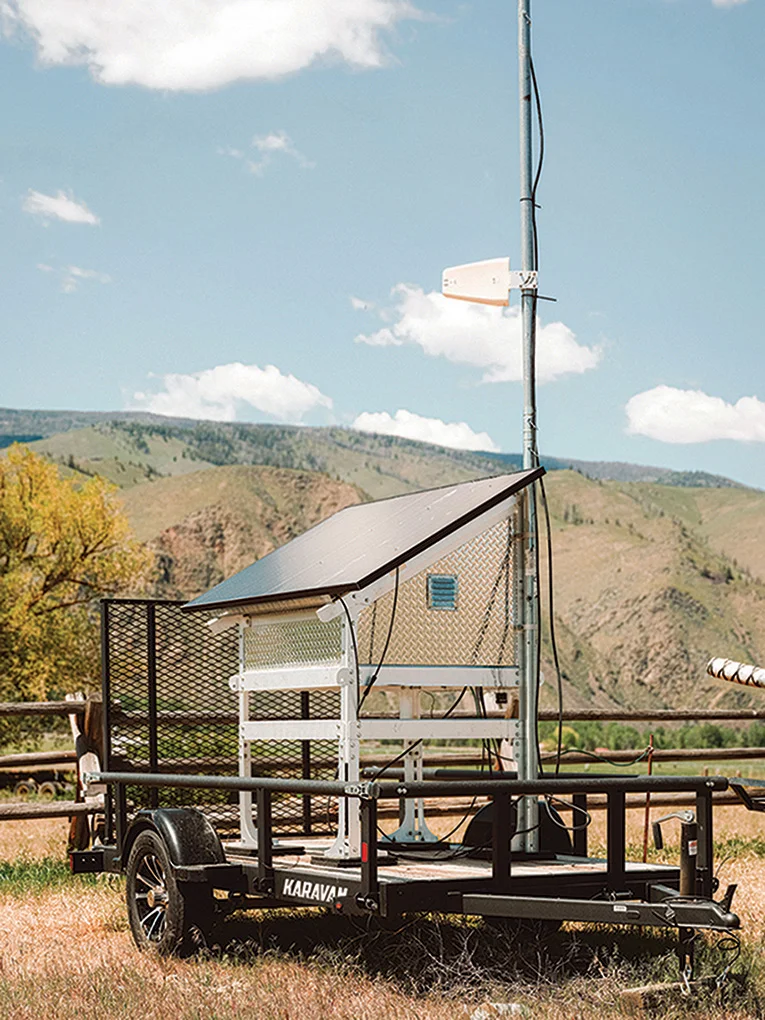
For ranchers, the case for virtual fencing often starts with the price of replacing wire. Rebuilding a mile of conventional fence after a wildfire can cost $15,000 or more. In remote areas, crews may need to fly or pack in supplies, pushing costs higher. Virtual systems have their own expenses: collars are generally rented, with collars and batteries costing about $50 per year, while systems using local base stations may charge around $10,000 per tower.
Base stations can often be moved as grazing areas change. The collars need a signal between the animal and the virtual boundary, with cellular coverage roughly comparable to what is needed to send a text. Newer Halter collars can connect directly to Starlink satellites, which may remove the need for a local tower in some settings.
The economics tend to be more attractive for large ranches, where many miles of fence and substantial labor are involved. Smaller operations may have less to save relative to the equipment costs. Some ranchers share expenses with conservation groups, foundations, wildlife organizations or other funders. For others, the calculation changes only after a fire destroys fencing that would be expensive to replace.
The 2020 East Troublesome Fire near Granby, Colorado, helped spur one of the first Western trials and the first known use of virtual fencing on a Forest Service grazing allotment. A Natural Resources Conservation Service grant supported a Vence trial with six ranchers and nearly 3,000 cattle beginning in 2022.
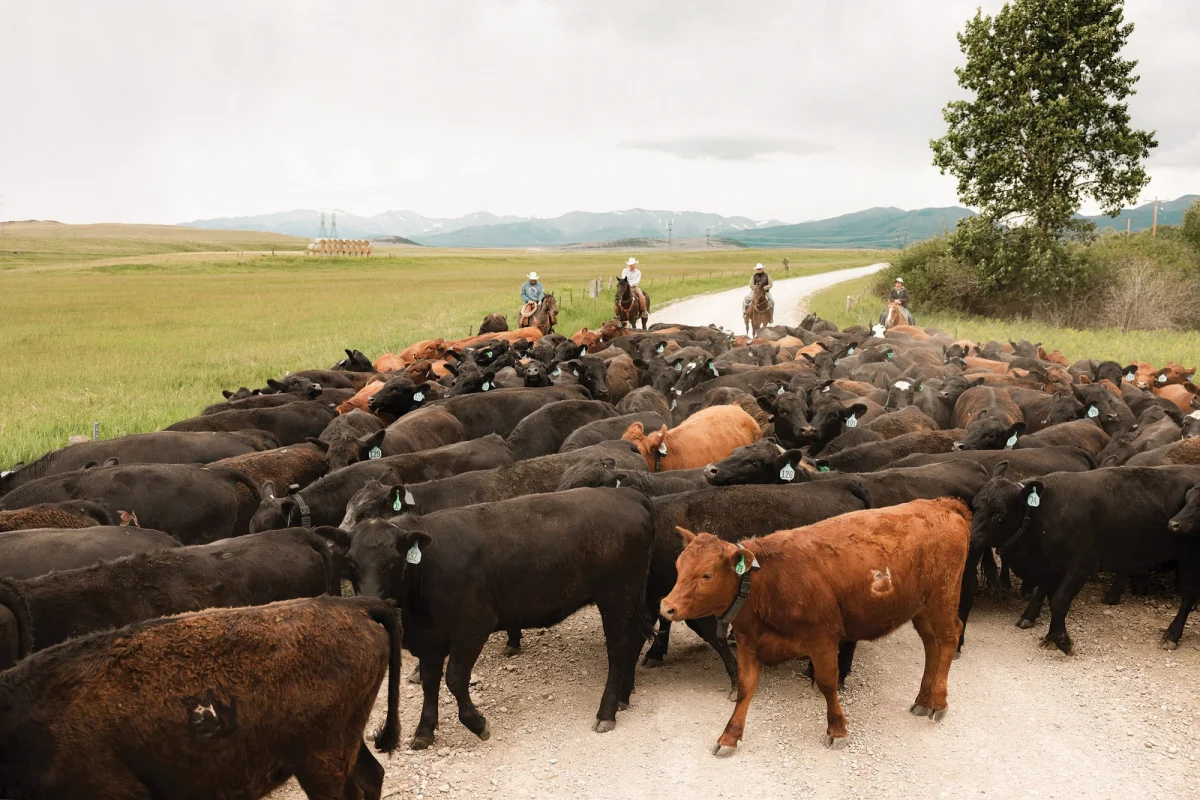
That same year, the Double Creek Fire burned 20 miles of fencing on the 20,000-acre Saddle Creek allotment in eastern Oregon, where rancher Dan Probert grazes cattle. He estimated that replacing the fence would cost $20,000 to $25,000 per mile because materials had to be brought into remote terrain. The people involved did not want to rebuild the same barriers, so virtual fencing became an option to keep cattle managed on the allotment.
Mike and Joy Wilson adopted collars on 9,000 acres they lease in north-central Washington. The land had little fencing, and its owner, the Confederated Tribes of the Colville Reservation, wanted to support a wildlife corridor connecting the Rocky Mountains with the Cascade Range. New wire could have interrupted animal movement. Conservation Northwest helped pay for two base stations, while the ranchers avoided the cost of putting up new physical barriers.

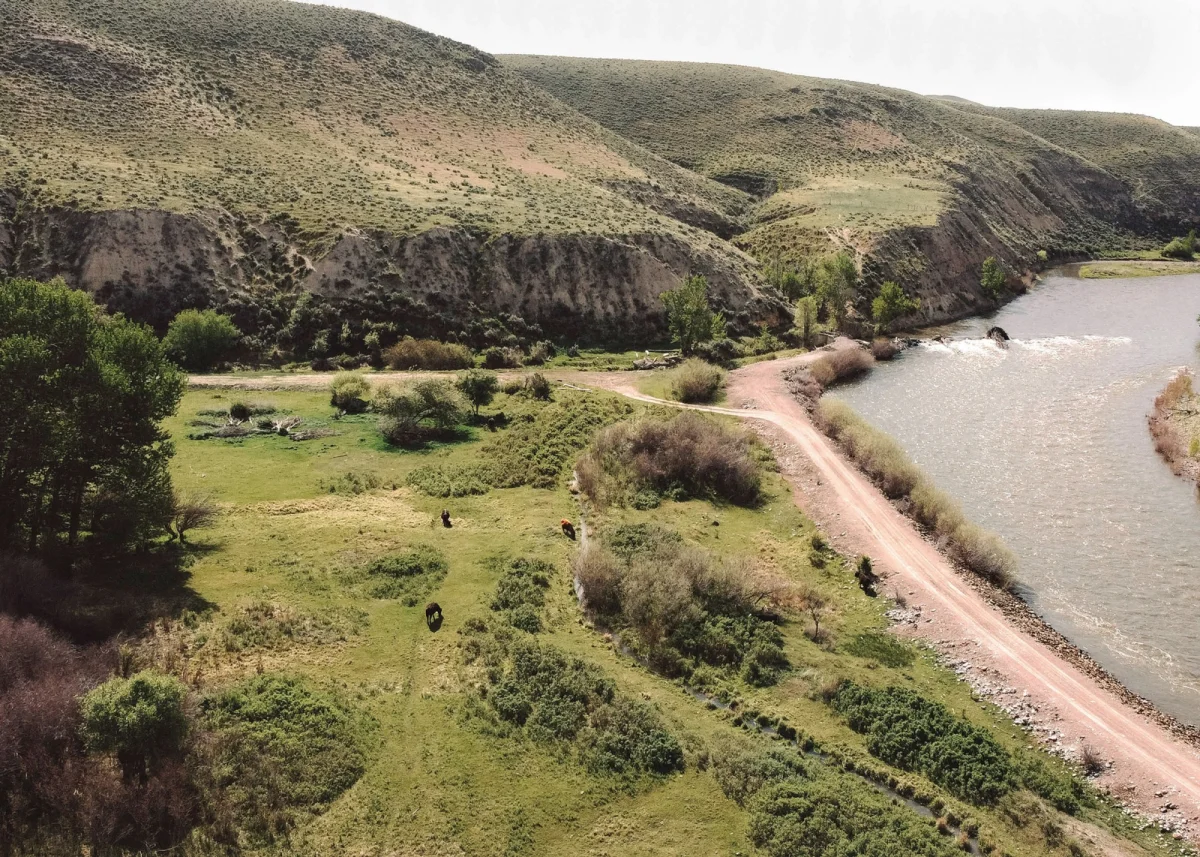
In Idaho, the 2022 Moose Fire burned parts of the nearly 70,000-acre Diamond Moose grazing allotment in the Salmon-Challis National Forest. If the entire allotment had been closed while vegetation recovered, ranchers would have lost access even to portions left largely untouched by the fire. Chyenne and Jay Smith saw an opportunity to use collars to direct cattle toward unburned forage while giving scorched areas time to recover.
University of Idaho researcher Melinda Ellison was looking for a place to test the equipment on steep, rugged range. She joined the Smiths in seeking funding and working arrangements with the Forest Service, Bureau of Land Management and Idaho Department of Agriculture. The project has since expanded to work with ranchers in the area, supported by grants from the Foundation for America’s Public Lands and the U.S. Department of Agriculture.
The first months demanded adjustment from both people and cattle. Some cows ignored the collar’s cues and were taken off the range. Ranchers also found the software awkward to use. Ellison and her students initially had to help reposition virtual boundaries for the Smiths. The learning curve, she said, was steeper for people than for livestock.
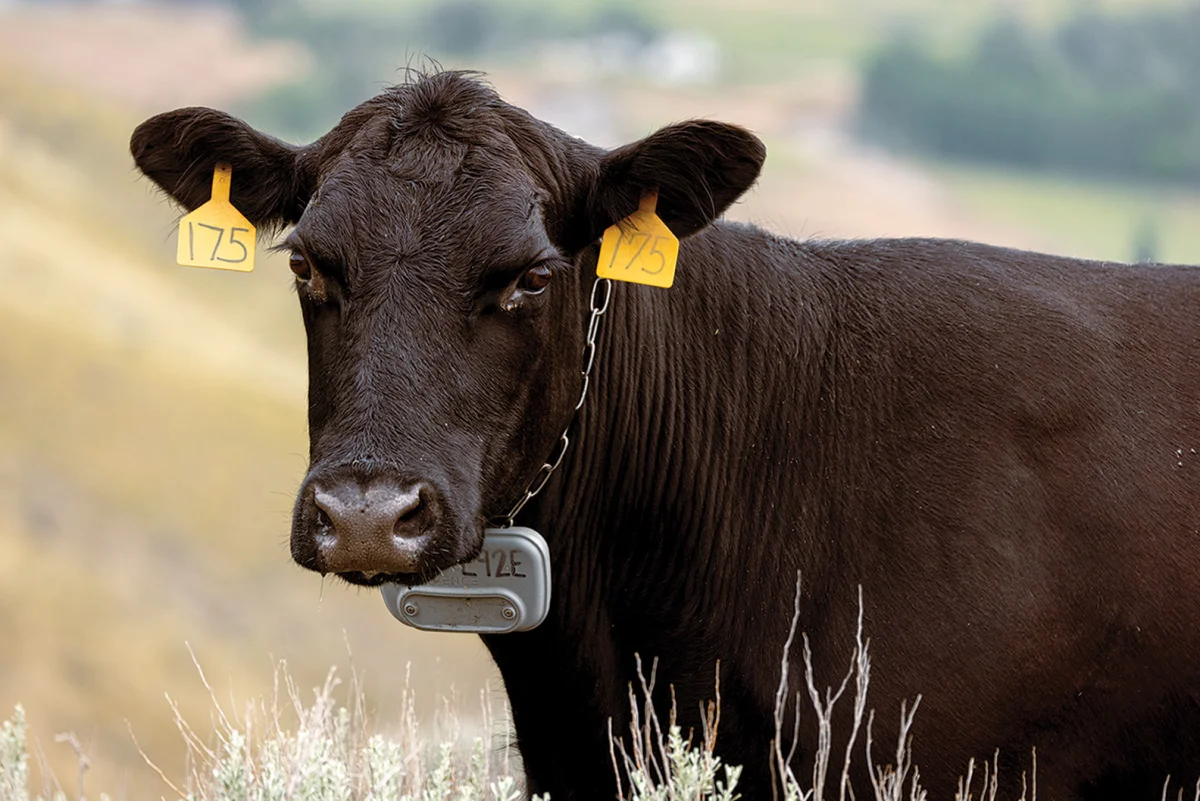
Early equipment problems extended beyond software. Cows stepped on loose collars while grazing, damaging them, and two bulls once became stuck together when collar clips caught. U.S. Department of Agriculture researcher David Augustine said early products had not been fully tested on working ranches. The current research operation at the Idaho center includes three graduate students and one or two undergraduates, nine ranches, at least 2,000 collars and 20 base stations.
Grant funds pay for collar rental and batteries, and the Forest Service has purchased three base stations. The agency has drawn a line around its role: it may provide infrastructure, but livestock care remains the rancher’s responsibility. By spring 2026, cattle on 270,000 acres of Salmon-Challis allotments were being managed with virtual fencing. The Forest Service treats the system as a temporary range improvement, similar to a gate, and expects continued use.
The Smiths use the GPS map as a practical management aid. Chyenne Smith checks the herd’s location each morning. A cluster around a water trough can indicate that the water is working; cattle avoiding a salt lick may signal that it needs replacing. Unusual movement can prompt a check for an injured cow or a predator nearby. The information helps the ranchers spend time where a problem may be developing.

The collars have also helped the Smiths manage seasonal grazing. Before, some cattle moved to higher ground before forage was ready, while others stayed low and missed the best grazing period. With virtual boundaries, the couple can guide animals more evenly or rest selected areas. They say the additional control has improved their range management, while the work remains hands-on.
Reliability remains the test
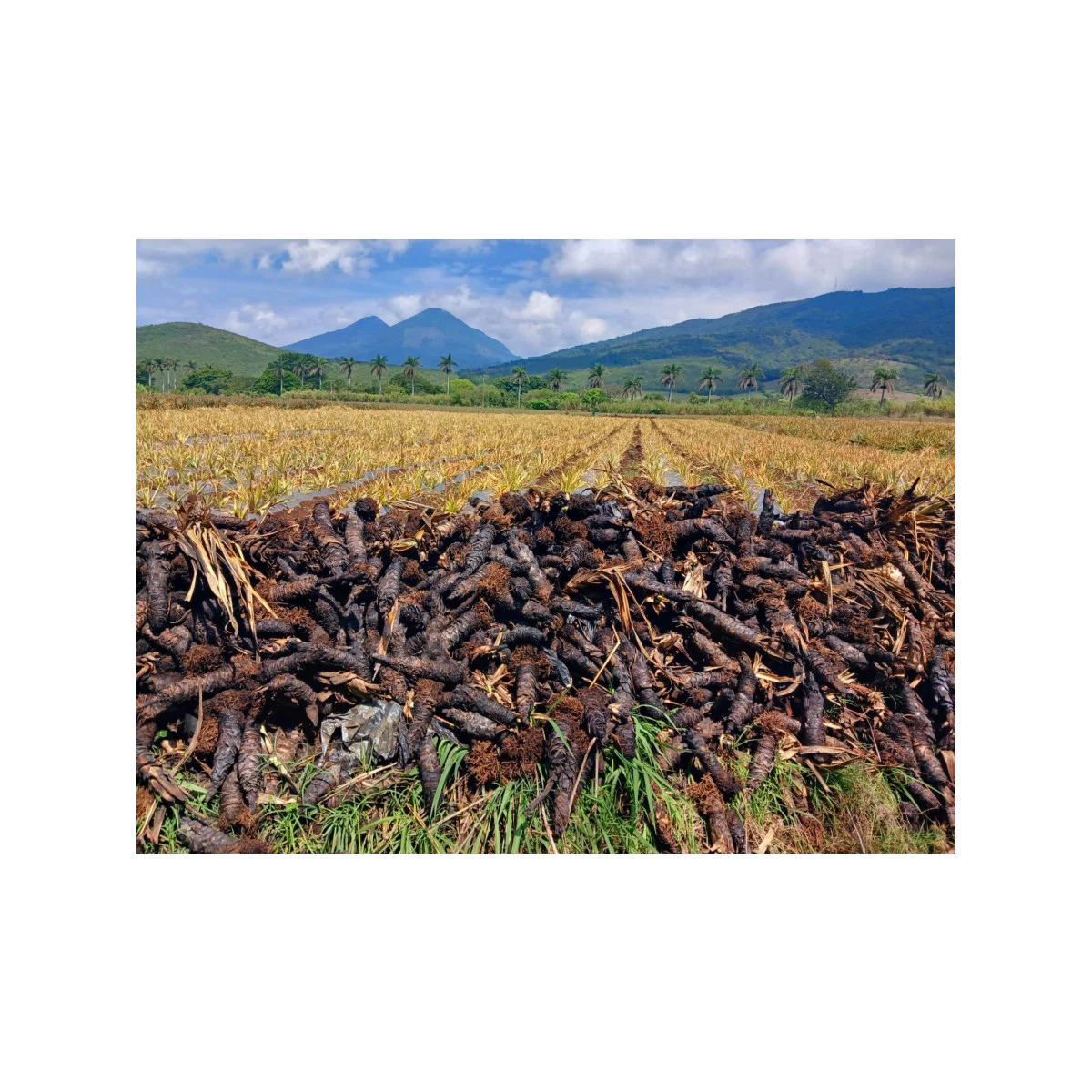
The Whites’ first trial shows how quickly hardware problems can undermine confidence. In 2022, they fitted 1,800 cattle with Vence collars, hoping to manage grazing more efficiently and reforest land affected by the 2021 American Fork Fire. Hundreds of collars broke or fell off. Each contained a quarter-pound lithium battery, and some vanished after the batteries died.
Lanie White worried that lost batteries might corrode and release metals into the headwaters of the American Fork River and Big Elk Creek, which run through the ranch. She said the remaining units needed battery replacement about every six months, more often than the family had expected. Other ranchers using Vence also reported early losses, though some later found most of the missing collars. Merck Animal Health, which acquired Vence in 2022, has said system performance can vary with terrain, weather, infrastructure, grazing practices and use.
The Whites removed their remaining Vence collars in February 2023. A pile of units with dead batteries remains by a ranch outbuilding. They restarted the trial in fall 2024 with Halter collars. Lanie White said the new collars fit more snugly and the cattle settled more quickly after being fitted. Solar panels recharge the batteries, and Halter says the collars can last five to seven years. Probert, who still uses Vence, said replacing batteries is burdensome and welcomed solar charging as an improvement.

Support has helped the Whites continue. The National Fish and Wildlife Foundation covers most current system costs, and the ranch has also received assistance from the Property and Environment Research Center, the Forest Service and the Rocky Mountain Elk Foundation. Halter staff have helped troubleshoot, including visiting the ranch to fit about 300 collars. In July, a company representative expected to help ranchers in Montana and the Dakotas fit more than 8,000 collars.
Virtual fencing has limitations beyond equipment performance. In steep or mountainous country, signal reliability can fall. In Eagle County, Colorado, Waterman-Snow said the system works 70% to 80% of the time in some terrain, a success rate that ranchers do not consider dependable enough to remove boundary fences. In dry country, thirsty cattle may ignore sound and shock cues if they can reach water. A well-designed virtual pasture still needs reliable water and must account for streams and other features that attract animals.
The technology also cannot solve drought, invasive plants or wildfire, and simply drawing boundaries does not guarantee healthier range. Waterman-Snow said researchers did not find that using virtual fencing alone improved land condition. It is a management tool, and results still depend on how ranchers use it.
Growth, with physical fences still in place
The market is expanding. Vence and Halter now compete with Gallagher eShepherd and Norway-based Nofence. That competition appears to be driving changes to hardware and software, though the pace of improvement also means ranchers are evaluating systems that may look different within a few years.
Halter territory manager Joshua Morrison said that, as of July 2026, ranchers on 75 properties in his area—from eastern Montana to western North Dakota—had bought 65,000 collars. Another 40 ranches in western Montana and Idaho were trying the technology. In eastern Oregon, interest has been sharpened by the 2024 Lone Rock Fire, which destroyed 1,100 miles of fence, with replacement estimated at $25 million.
After the fire, some private land was available for short-term grazing, but without fencing it was difficult to use. Sustainable Northwest and its partners are developing a virtual fencing project across 177,000 acres in the Upper Rock Creek watershed, covering three counties. If completed, the system would be the largest in Oregon and likely the Pacific Northwest. The project aims to keep working lands productive while supporting rural communities and ecological function.
Researchers and ranchers see additional value in the location data. A detailed record of where cattle graze and for how long may help ranchers make decisions about herd size and grazing periods. Some also hope the records will help demonstrate responsible management of grazing allotments. The data could be useful, but it does not replace field observation or good judgment.
For now, virtual fencing has helped ranchers avoid some new construction more than it has removed existing wire. Physical perimeter fences still keep cattle away from roads and neighboring properties, and ranchers are reluctant to dismantle costly infrastructure before they trust the collars. In parts of Montana, conventional fencing costs $17,000 to $20,000 per mile for labor and materials. As one rancher put it, the immediate change is often opening gates and using fewer interior barriers.
Even on the Salmon-Challis, where the technology has been used across a large area, managers have not removed physical fences. They remain interested in whether some barriers can eventually come down, but see a fully fence-free range as unlikely. The same caution applies elsewhere: a system that works most of the time may still leave too much uncertainty for ranchers responsible for containing cattle.
Virtual fencing serves different goals at once. Ranchers want lower costs and more control over grazing. Wildlife advocates hope animals such as pronghorn, deer and grouse will face fewer barriers. Technology companies see room to expand their customer base. Those interests can align where collars prevent new fence construction or allow cattle to graze without blocking a wildlife corridor, but they do not make every trial successful or every location suitable.
The technology is still developing, and users describe it as a blunt tool rather than a precise fix. Its strongest near-term role may be helping ranchers adapt grazing after fire, manage steep land where fence building is difficult, and reduce the need for new interior barriers. Whether those uses eventually lead to more wire being removed will depend on reliable equipment, workable software, appropriate water access and years of confidence in the field.
Across the West, the change is likely to be gradual. Collars can make a boundary invisible to wildlife, but the old fences remain visible—and costly—to ranchers. The practical measure of progress may be fewer new miles of wire, better targeted grazing and more open routes for animals, long before the region becomes anything close to unfenced.