Greenwashing Risks Are Expanding Across the Energy Transition
RepRisk data shows greenwashing concerns rising across transition industries, with biodiversity, severe allegations and repeat exposure drawing more attention.
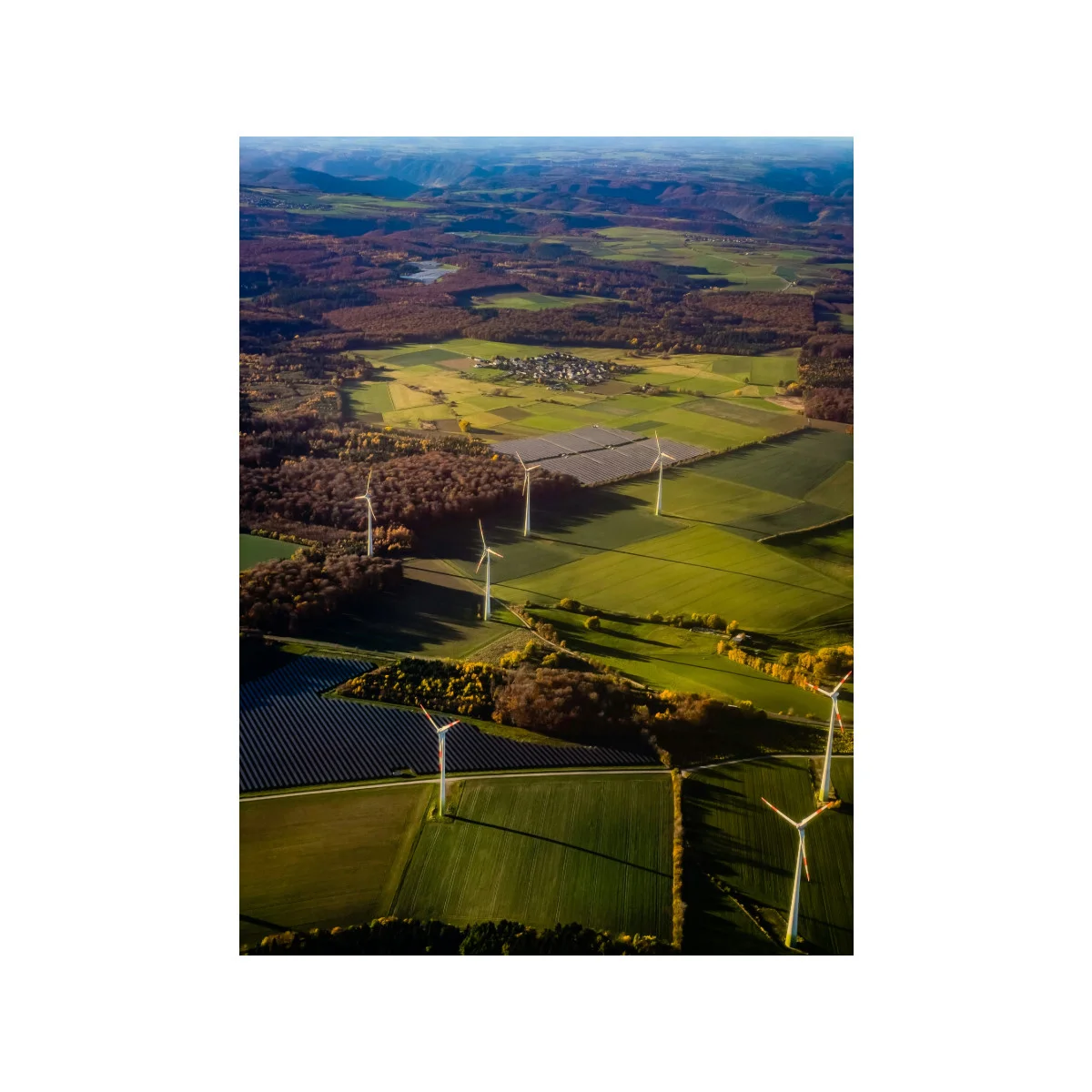
Companies involved in the energy transition are facing a wider test of environmental credibility. Lower emissions remain essential, but they don't by themselves show whether a project or business has limited its effects on ecosystems, water and nearby communities. As investment shifts toward climate solutions, scrutiny is following the money.
RepRisk's latest Greenwashing Report found that greenwashing-related incidents rose 112% between 2022 and 2026. The number of companies linked to such incidents reached 1,594 in 2026. The industries drawing a larger share of concerns include alternative energy, mining, industrial metals, utilities, and software and computer services.
The pattern points to a change in where scrutiny falls. Renewable power, electric vehicles, critical minerals, transition finance and digital infrastructure all play roles in decarbonization. But that role doesn't automatically make every associated activity environmentally sound. A wind project may supply clean electricity while affecting a protected ecosystem. Mining battery minerals can support electrification while increasing pressure on land, water and communities. Carbon projects may form part of a climate strategy yet still raise questions about their integrity or social effects.
Carbon gains can come with other impacts
For years, corporate environmental performance was often assessed mainly through emissions. That focus reflects the central place of greenhouse gases in climate strategy and the need to move away from fossil fuels. But as the transition reaches more projects and supply chains, a carbon-only account can leave important consequences out.
RepRisk's data shows that ecosystems and biodiversity became the environmental issue most frequently associated with greenwashing risk for the first time in five years, overtaking climate change and emissions. In the alternative energy sector, biodiversity and ecosystem concerns also exceeded climate-related ones during the 2022–2026 period.
That shift doesn't undermine the case for reducing emissions. It shows that the effects of climate projects need to be considered more broadly. Renewable infrastructure requires land; batteries and electricity grids rely on mineral supplies; industrial facilities use water. Large developments can alter ecosystems and affect people living nearby. Whether those effects are material depends on the project, its location and how it is designed and managed.
As a result, terms such as “green,” “clean” and “sustainable” need a clear basis. A claim that describes a project's climate benefit may leave readers with an incomplete impression if it omits significant effects elsewhere. The stronger the environmental claim, the more important it is to explain what evidence supports it and what its limits are.
Credibility begins before a claim is published
Greenwashing is often treated as a problem of wording. Communications teams can revise a statement, and lawyers can review it, but those steps can't repair a project with poorly assessed impacts or an investment based on unsupported assumptions. The reliability of what a company says depends on the decisions behind the activity.
The challenge also extends beyond companies that own or operate physical assets. Banks and financial-services companies together remained the largest combined group of companies linked to greenwashing in RepRisk's 2026 data. Much of their exposure related to businesses, assets and projects they finance, invest in or underwrite.
A financial institution may direct more capital toward transition finance while still facing questions about the projects that capital supports. A business purchasing renewable electricity may need to understand the project's implications for land, biodiversity and communities. Digital infrastructure can enable emissions reductions while also drawing attention to its own demands for energy, water and resources.
In each case, the eventual claim depends on work that starts well before publication: procurement, investment review, due diligence, supplier engagement, project design and oversight. Communications teams can describe the evidence, but the teams responsible for a project or investment need to help establish whether that evidence is sound. Sustainability statements are easier to defend when they reflect actual decisions and acknowledge unresolved trade-offs.
Disclosure rules and public expectations may differ
Companies also face an uneven set of disclosure expectations across jurisdictions. Some places are tightening requirements for environmental marketing and reporting, while others are narrowing certain disclosure or due-diligence obligations. RepRisk points to a growing gap between what a company must formally disclose and what customers, investors, regulators or civil society may still expect it to substantiate.
Meeting a reporting requirement may not settle questions about an environmental statement. A company required to disclose less in one area could still draw scrutiny for the claims it chooses to make voluntarily. Reduced disclosure duties therefore don't necessarily mean less exposure to reputational or business-conduct concerns.
The reported severity and recurrence of incidents add to that challenge. Nearly one in four greenwashing incidents now involves severe allegations, compared with roughly one in six in 2022. In 2026, three quarters of incidents involved companies already linked to greenwashing in previous years. These figures suggest that repeated exposure can become a persistent concern, rather than a one-time problem with a particular statement.
Build claims from evidence and keep them current
Companies can make their claims more credible by assessing intended climate benefits alongside material effects on water, biodiversity and communities. That work should record the evidence, assumptions and trade-offs that remain unresolved. Each claim can then be tied to a supporting record that specifies its scope, source, limitations and the person responsible for updating it.
People who manage the underlying project or investment should take part in reviewing environmental claims, alongside communications and legal teams. If project conditions change or new evidence emerges, the wording may need to change too. This approach helps companies explain what they can support and identify where more work is needed.
The transition will keep drawing capital toward renewable power, minerals, infrastructure, technology and finance. Participation in those sectors can contribute to lower emissions, but it doesn't establish that every project or business model is sustainable. The next measure of credibility is whether companies can show both the climate value they deliver and the wider impacts they manage.