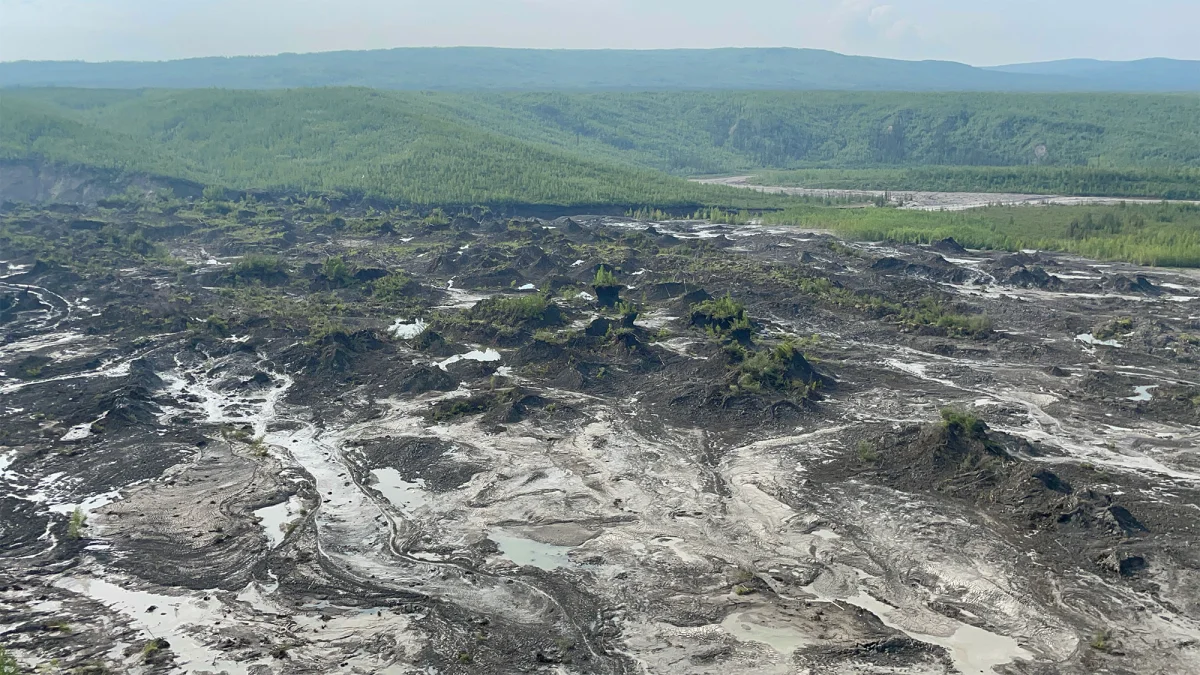
Hurricane Helene Recovery Remains Unfinished in Western North Carolina
Two years after Helene, billions in recovery needs remain unmet, and residents’ frustration is clear. Its effect on local races is harder to measure.
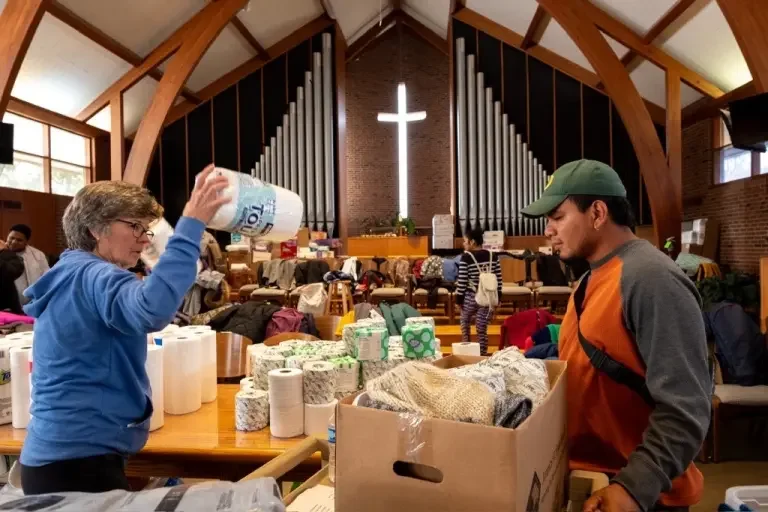
Two years after Hurricane Helene, western North Carolina is still rebuilding, with an estimated $41 billion in recovery needs unmet. Residents’ dissatisfaction is pronounced, but whether it will shape the region’s closely watched races is less clear. The storm’s aftermath has become a test of recovery efforts and of how people judge those responsible for them.
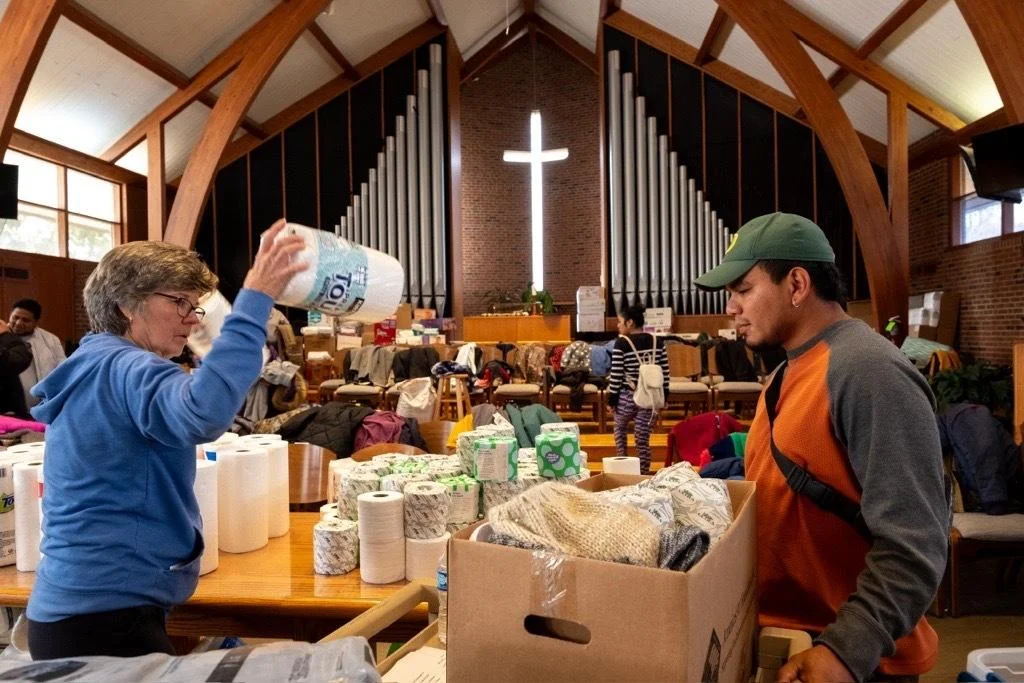
Helene caused nearly $60 billion in damage and recovery needs across North Carolina. About $10 billion in federal assistance has been provided, and the state’s estimate of the remaining shortfall accounts for state funding and insurance payments. Those figures describe a substantial gap between the storm’s costs and the resources available so far.
At the Haywood County Public Library in Canton, residents casting early ballots on October 19 were weighing more than the races on the ballot. The area has endured repeated flooding and other disasters in recent years. Sandra Moody, a Republican voter, said the recurrence of floods described as “500-year” events had left her wondering what was happening.
For people trying to repair homes, businesses and farms, a slow recovery means uncertainty that persists long after the storm has passed. Jamie Ager, a fourth-generation farmer running for the area’s seat in Congress, has made that economic strain a focus. He said his family was working to restore the farm while neighbors described their frustration as recovery dragged on. Some residents are still waiting for reimbursement from the Federal Emergency Management Agency as they try to rebuild.
Frustration is widespread, but its electoral effect is uncertain
A WRAL and WSOC poll found that half of North Carolinians were dissatisfied with the response to Helene, while 37 percent were satisfied. In western North Carolina, where the storm hit hardest, only 5 percent said they were “very satisfied” with how the response was being handled.
That discontent hangs over two competitive races connected to the recovery. In the 11th Congressional District, which includes 16 largely rural, mountainous counties and the Democratic stronghold of Asheville, Republican Jennifer Balkcom is running neck and neck with Ager. Donald Trump carried the district by 9.5 points in 2024, and voters there have chosen three Republicans in succession for the seat: Mark Meadows, Madison Cawthorn and Chuck Edwards. Edwards withdrew from the current race, and Balkcom entered it three months ago. A pro-Trump political action committee recently canceled more than $1 million in television advertising supporting her.
The Senate contest also centers attention on Helene. Roy Cooper, the Democratic governor when the storm hit, has maintained a double-digit polling lead over Republican Michael Whatley, whom Trump named as his point person on recovery. Whatley’s role has drawn scrutiny: an Asheville Citizen-Times investigation found no communication between him and FEMA in the two years after the storm. It documented six text messages and five phone calls between Whatley and a state official coordinating recovery. The Senate Leadership Fund, a Republican political action committee, has since withdrawn its financial support from the race.
Cooper and Whatley have each blamed the other for the slow arrival of aid while defending their own records. Neither agreed to an interview. Whatley’s campaign said he helped secure more aid for Helene than for any other natural disaster in the state’s history. Cooper’s campaign said Whatley had failed in his recovery role and that the state had received 16 percent of the funding it needs.
Storm experience shapes some voters’ choices
For some residents, Helene matters beyond the pace of rebuilding. Maggie Panther, a Democrat voting early in Canton, said the storm strengthened her concerns about climate change and worsening severe weather. She said she supports the party she believes is trying to address climate change.
Other voters may be focused more narrowly on the practical consequences of the recovery: whether assistance arrives, how long repairs take and whether household and business finances can withstand further delays. Ager’s account of conversations with neighbors points to those immediate pressures. His argument is rooted in the time and effort required to get a working farm and a wider community back on their feet.
The national response has also been tied to electoral competition. During the storm’s immediate aftermath in 2024, Republicans criticized the Biden administration’s response. Two years later, Republicans control the White House, Congress and the federal agencies involved in recovery. Trump joked that North Carolina would not receive additional aid if Whatley lost. In other states, he announced $17.9 million in disaster assistance for Wisconsin while promoting Republican candidate Tom Tiffany, and approved an Ohio disaster declaration shortly before campaigning with Republican Senator Jon Husted, while 15 other requests remained pending. Vice President JD Vance promised $858 million for western North Carolina during a recent stop near Asheville. The White House has denied that disaster decisions are politically motivated.
Those episodes make recovery part of the political argument, but voters’ views do not appear to divide cleanly along party lines. The WRAL and WSOC poll found no meaningful difference between Cooper and Whatley supporters in their assessments of the response. Political scientist Chris Cooper of Western Carolina University said Helene had appeared less often in campaign mailers and advertisements than he expected. In his view, both candidates could be hurt by directing attention to a response that most residents regard as poor.
Cooper said he could not think of a North Carolina disaster, or one elsewhere, after which residents broadly felt the recovery had gone well. People often blame those in power, he said, which could give an outsider such as Ager an opening. Research offers a related pattern: Penny Liao, an economist at Resources for the Future, said incumbents may benefit when aid is substantial and arrives promptly, while inadequate preparation or a poor response is unlikely to help them.
Responsibility for Helene’s recovery spans different political parties and levels of government. A Democratic administration was in the White House when the storm hit; a Republican administration has overseen much of the recovery; and a Democratic governor shares power in Raleigh with a Republican-controlled Legislature. That division makes it difficult to assign responsibility to one person or institution.
The shortfall in recovery funding and residents’ frustration are measurable. Their effect on the races is not. The results may offer clues about how voters assess a long recovery, but the continuing work of rebuilding will remain the more direct measure of whether western North Carolina is getting the support it needs.