Cooling Protections for Renters Spread as Extreme Heat Raises Indoor Risks
New rental protections are expanding access to cooling, while cities weigh temperature limits, air-conditioning requirements and the costs for tenants.
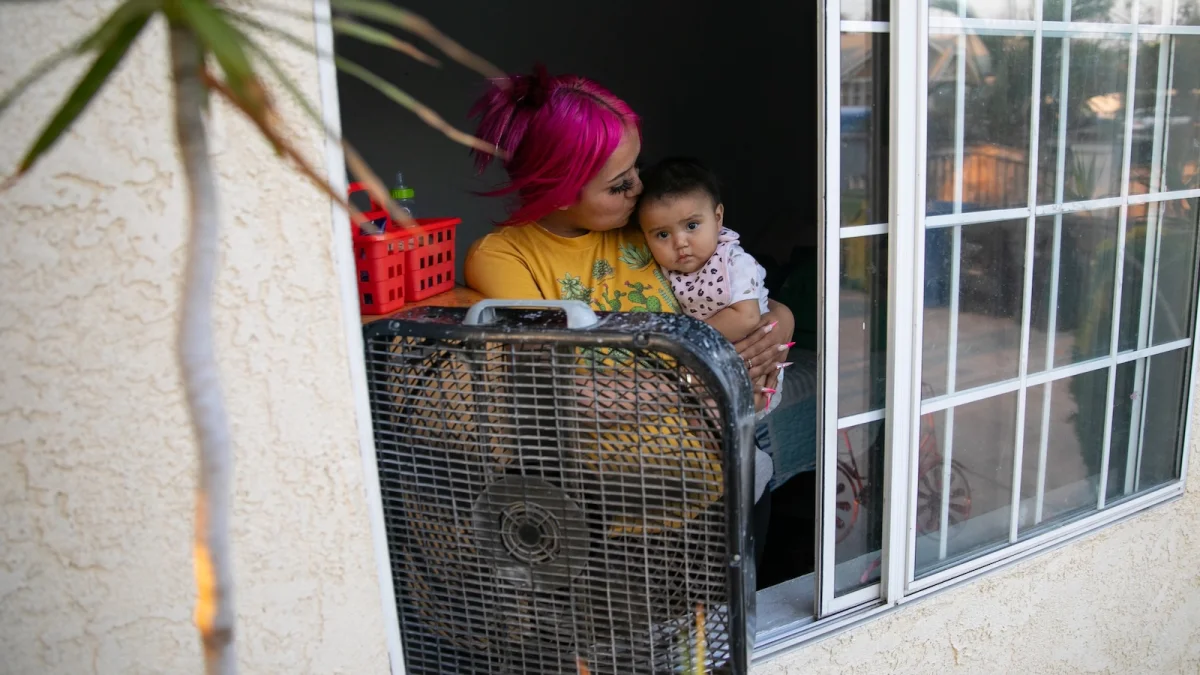
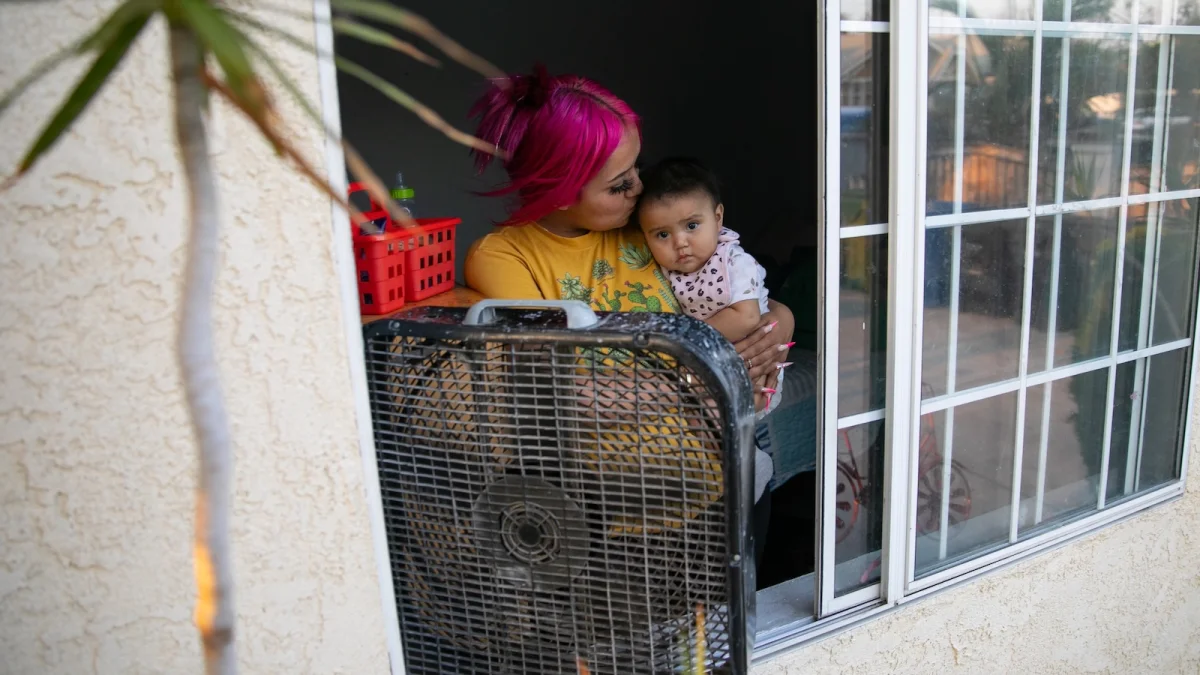
As extreme heat puts more people at risk inside their homes, a growing number of U.S. communities are treating access to cooling as a basic condition of safe rental housing. The approaches vary: some require air-conditioning, others set indoor temperature limits or help tenants install their own units. Each choice affects how well homes stay cool, who pays and how clearly renters can enforce the protection.
The shift reaches beyond housing. A ruling issued last month by Judge Robert Pitman says Texas prisons must install air-conditioning by the end of 2029, finding that extreme heat for incarcerated residents amounts to cruel and unusual punishment. For renters, the legal basis is less direct. But the ruling sits alongside a broader recognition that, as heat grows more dangerous and sometimes deadly, cooling can be a necessity.
Renters often face obstacles homeowners don’t: they may not be able to afford an air-conditioning unit, install one without permission or use one in a building where the landlord has barred it. A 2024 study found that renters were three times more likely than homeowners to need medical attention because of heat exposure at home. Researchers estimate that as many as 50,000 people died during five heat waves in Europe this summer.
From habitability to cooling standards
One possible legal route for tenants is the “implied warranty of habitability,” which requires landlords to provide basic necessities such as running water, even when a lease doesn’t spell them out. Heating has long been treated as one of those necessities. Doug Ruley, director of the Environmental Justice Clinic at the University of Miami School of Law, argues that cooling belongs in the same category. “You can’t rent a place without heat,” he said. “The same is exactly true for cooling.”
Tenants could ask courts to recognize protection from indoor heat under this principle. Advocates have mostly pursued clearer requirements through housing codes and landlord-tenant rules instead. The details remain contested, especially whether a requirement should specify equipment or an outcome.
An air-conditioning mandate tells property owners what to provide. A maximum indoor temperature gives them more choice in how to comply, potentially encouraging measures such as trees or window shades that use less energy than mechanical cooling. Clinton Andrews, director of Rutgers University’s Center for Urban Policy Research, favors temperature limits in part because they provide a measurable standard for tenants and inspectors. A general instruction to provide “adequate cooling” can be harder to assess.
But a temperature target raises a difficult question: what counts as too hot? Some communities have set a limit of 82 degrees Fahrenheit, while several Canadian cities are considering a threshold closer to 79 degrees. Stefano Schiavon, a professor of architecture and civil and environmental engineering at the University of California, Berkeley, says the answer reflects both human physiology and cultural expectations. People accustomed to warmer conditions can adapt more readily to heat.
That flexibility worries some tenant advocates, who say a performance standard could let landlords avoid air-conditioning, even during dangerous heat. “The only intervention that is going to protect people’s lives in a heat event is AC,” said Chelsea Kirk, advocacy and policy director at the Los Angeles nonprofit Strategic Actions for a Just Economy. “Tree shade is not gonna get us there.”
Jason Armond / Los Angeles Times via Getty Images
Local approaches and household costs
Communities are testing different ways to make cooling available. In Maryland, owners of buildings with 10 or more units must install air-conditioning when they renovate. Houston’s August ordinance requires working air-conditioning in rental homes, removing an exception that had allowed some apartments with window screens to go without it.
Spokane, Washington, where 14 people died during a July heat wave, requires landlords to provide “adequate cooling” in at least one room. It also reimburses tenants up to $500 if they choose to install air-conditioning themselves. Brian Henning, director of Gonzaga University’s Institute for Climate, Water, and the Environment and an advocate for the Spokane measure, has discussed extending the approach statewide with advocacy groups and state legislators.
Los Angeles County has chosen a temperature limit for its unincorporated communities. Starting January 1, landlords must provide a “safe and code-compliant method” of keeping indoor air at or below 82 degrees Fahrenheit. The city of Los Angeles began exploring a similar measure in February, but its adoption has been delayed.
New Orleans, New York City and Austin have adopted cooling requirements since 2020. Washington and Oregon bar landlords from preventing tenants from installing their own air-conditioning units. In Arizona, an expansive reading of housing rules by the attorney general has produced what amounts to a statewide air-conditioning requirement. Elsewhere in the U.S. and Canada, communities are considering their own protections, including Charlotte, Baltimore, Washington State and Toronto.
Costs remain a concern. Landlords say cooling requirements could push rents higher, though researchers say evidence for that claim is limited. Tenants and housing experts also point to potentially higher utility bills. Michele Thomas, director of policy and advocacy for the Washington State Housing Alliance, argues that tenants should be able to choose whether to run air-conditioning, while still having it available during dangerous heat.
C.J. Gabbe, an associate professor of environmental studies and sciences at Santa Clara University, has proposed expanding the Low Income Home Energy Assistance Program to help with cooling expenses. The program received about $3.6 billion for the current fiscal year, according to a funding notice released this month.
Cooling protections can reduce immediate risks, but they don’t address why heat is becoming harder to manage. Experts interviewed by Grist say that limiting fossil fuel burning remains necessary as communities adapt. As Henning put it: “We can’t just AC the world.” The practical challenge is to make homes safer now while reducing the pressures that make cooling ever more necessary.