Osage Nation Accelerates Orphan Well Cleanup as Permit Times Fall
Faster permits are helping Osage crews plug more orphan wells, but inaccurate records, limited staff and an unknown well count constrain the work.
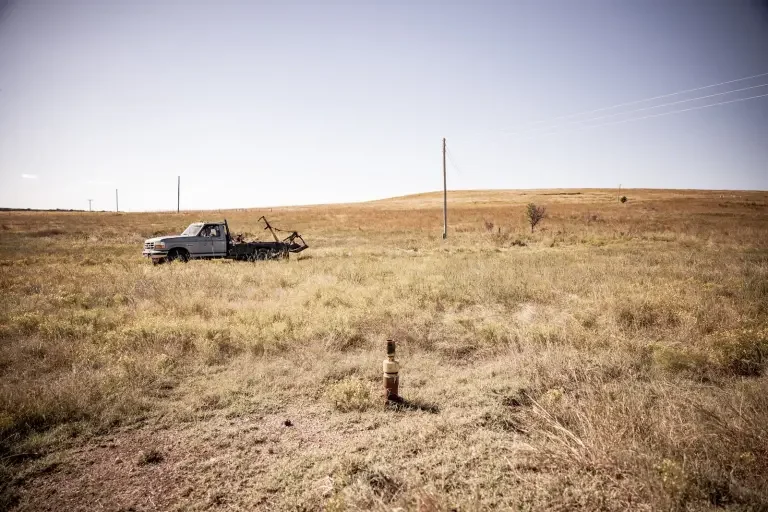
An inaccurate record turned a routine well closure into a job that could take up to two months. At Harvest Land Farms in northeastern Oklahoma, Osage Nation crews expected to find a cement plug. Instead, they found an open well extending 2,400 feet underground, with only about a foot of cement near the top. The crew had to clear the well and fill it properly from below the freshwater zone.
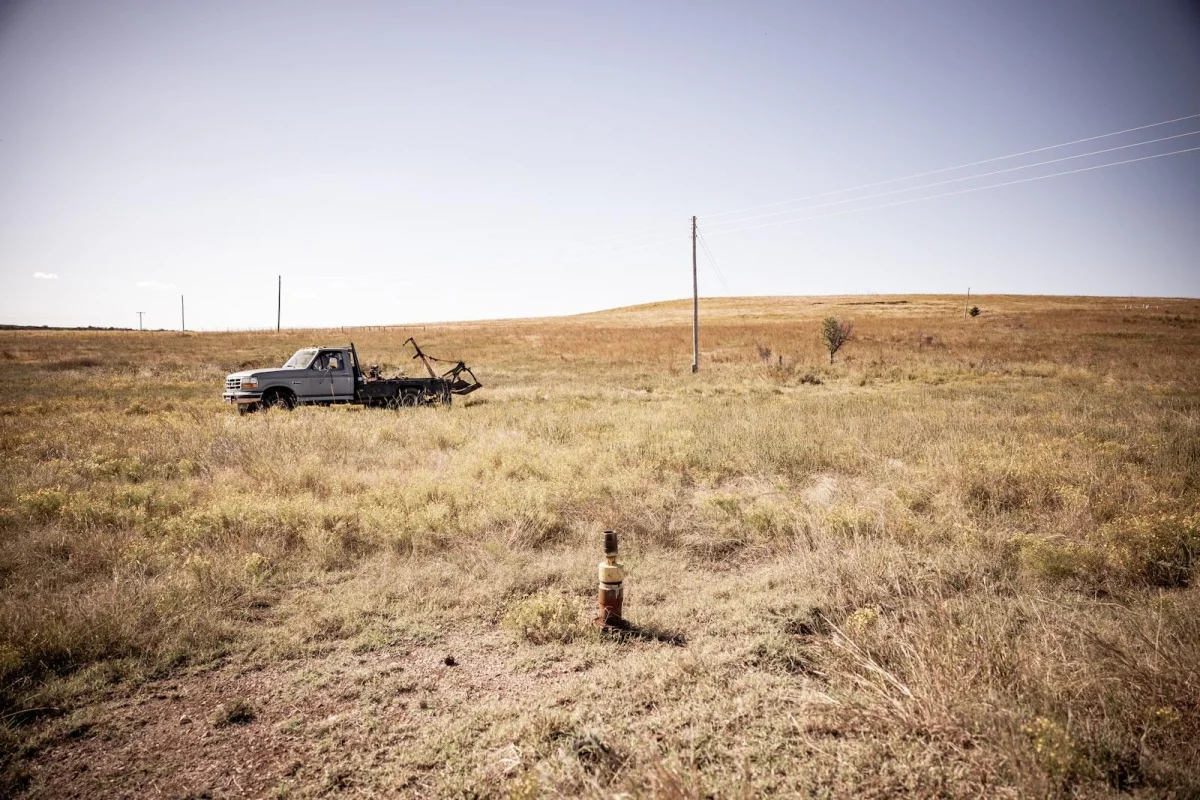
That mismatch between paperwork and conditions in the ground captures the challenge facing the Nation’s Department of Natural Resources (DNR). Its federally funded program has plugged about 160 orphan wells, including 70 to 80 this year, while inspecting at least 2,500 to 2,700. Crews keep finding more as they move through the reservation, which covers about 1,470,559 acres. Some wells date back decades; others were closed to standards now considered inadequate.
“We don’t really know what’s down there,” said Fred Beartrack, a DNR crew member. The Harvest Land well, he said, could contain material left behind before the crew arrived. It also showed why records can’t substitute for field checks: the database indicated a plug, but excavation and a cutout in the casing revealed no cement below the shallow cap.
Permits move faster under revised grant guidance
The cleanup pace picked up after a change to the federal grant program’s tribal guidance. Before March 13, the Bureau of Indian Affairs’ (BIA) Osage Agency reviewed each plugging application, checked DNR photographs and field data, and issued a record of decision for public comment. That comment period was intended to last 30 days and could extend to 45. Beartrack said the full process could stretch to 120 or 130 days.
Under the revised guidance, permits for orphan wells funded through the program can move ahead without those reviews. Beartrack said the turnaround is now one to two weeks. The DNR still contacts the Osage Agency to establish whether a well has a responsible party, whether its leases were canceled or terminated, and how old the well is. “We ask the BIA almost daily questions,” he said.
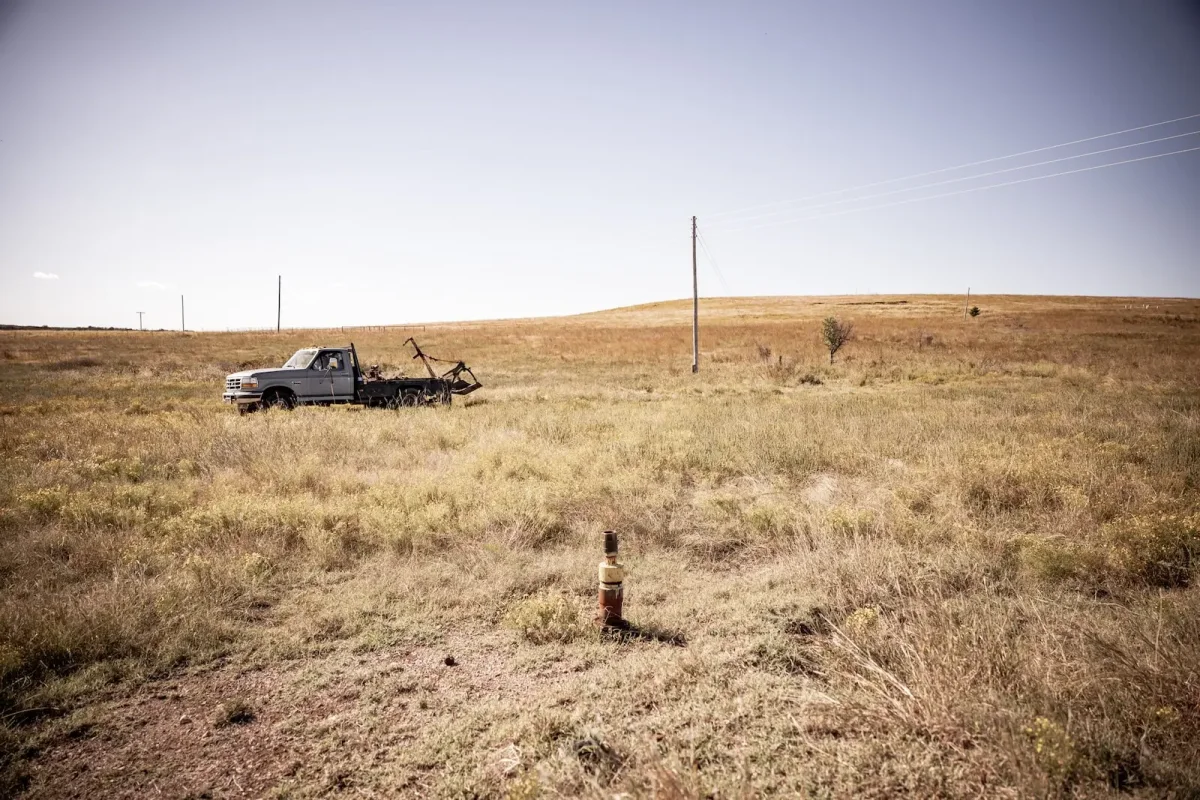
Adam Trumbly, superintendent of the Osage Agency in Pawhuska, said the agency continues to review permits and issue them when appropriate. It no longer issues permits for orphan wells plugged under the federal tribal program, he explained in an email. The revised guidance removes requirements for reviews under two federal statutes concerning endangered species and historic preservation. It treats tribal grants as nondiscretionary and the work funded by them as outside the category of federal undertakings, Trumbly said. As a result, the Osage Agency no longer has authority to conduct those reviews for this work.
The shift followed criticism of the program’s slow start. A February report from the Interior Department’s inspector general found that, by December 31, 2024, the Nation had plugged 14 of the 290 wells planned for Phase 1, about 5 percent. The report pointed to delays hiring a petroleum engineer, understaffing at the Osage Agency, and disputes over which permit requests qualified as emergencies.
By January 30, the DNR had submitted 217 plugging permits since August 2024; the BIA had approved 90. At a March Natural Resources Committee meeting, Trumbly described the agency as working with a “skeleton crew” during a federal hiring freeze. Beartrack said four or five agency staff were in the field verifying applications. Trumbly said the agency processed the permits as a courtesy.
Adam Peltz, who works on orphan wells at the Environmental Defense Fund, said tribes face a procedural barrier that state programs may not: even when a tribal nation is ready to do the work, it can depend on another agency to review and approve permits on time. “That part is out of Osage’s hands,” he said.
A large, poorly documented cleanup
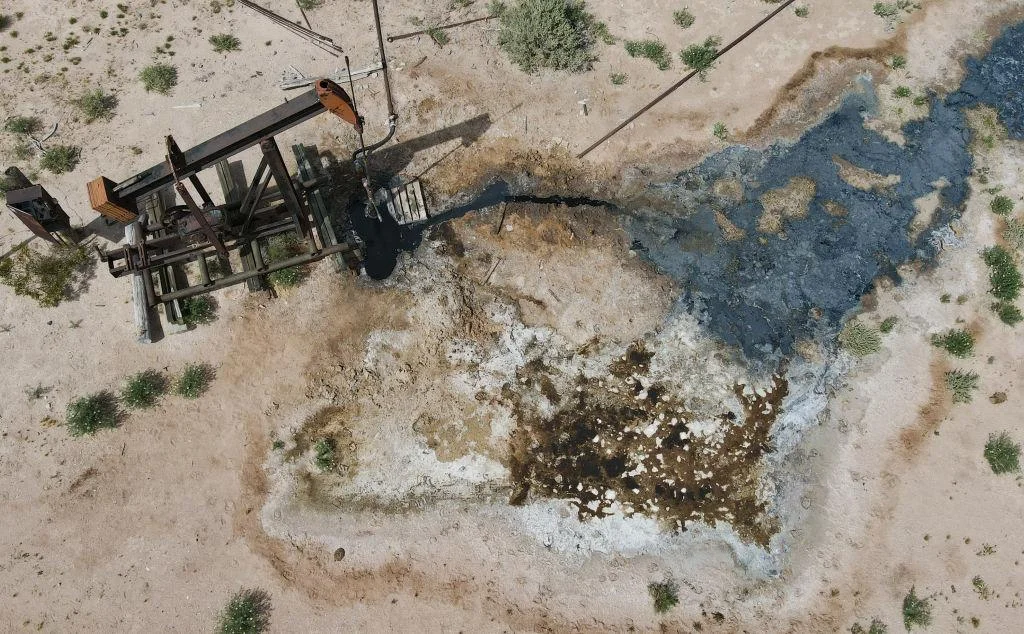
The scale of the work remains uncertain. Reporting by Grist and Osage News found roughly 2,300 documented orphan wells in Osage County, but the actual count could be higher because older wells were never entered into records. Peltz said the Environmental Defense Fund had no Osage County well data when it assembled a national orphan well map a few years ago. He described records for older wells as a broader problem: Oklahoma has about 18,000 documented orphan wells and is believed to have more than 300,000 undocumented ones.
Federal funding for this kind of work is relatively new. Peltz said orphan wells had received little national attention before around 2020. A 2021 infrastructure funding law set aside $4.7 billion for plugging wells through state, federal and tribal programs. About $150 million went to tribes, with the Osage Nation receiving the largest share. The Nation’s award is about $91 million over five years.
That amount is substantial, but it falls far short of the likely need. Plugging one well can cost between $40,000 and $500,000, depending on its condition, and no one knows the full number of wells requiring work in Osage County. Asked whether $91 million would be enough, Peltz answered, “No, not even close.”
The Nation’s role in carrying out the cleanup has also raised questions about who is responsible for abandoned wells. The BIA has long overseen oil and gas development on the reservation as trustee of the Osage mineral estate, including drilling and well plugging. Beartrack said the agency’s position is that wells without a responsible party aren’t a federal function. He characterized the change as a step away from the work, rather than a formal transfer of responsibility.
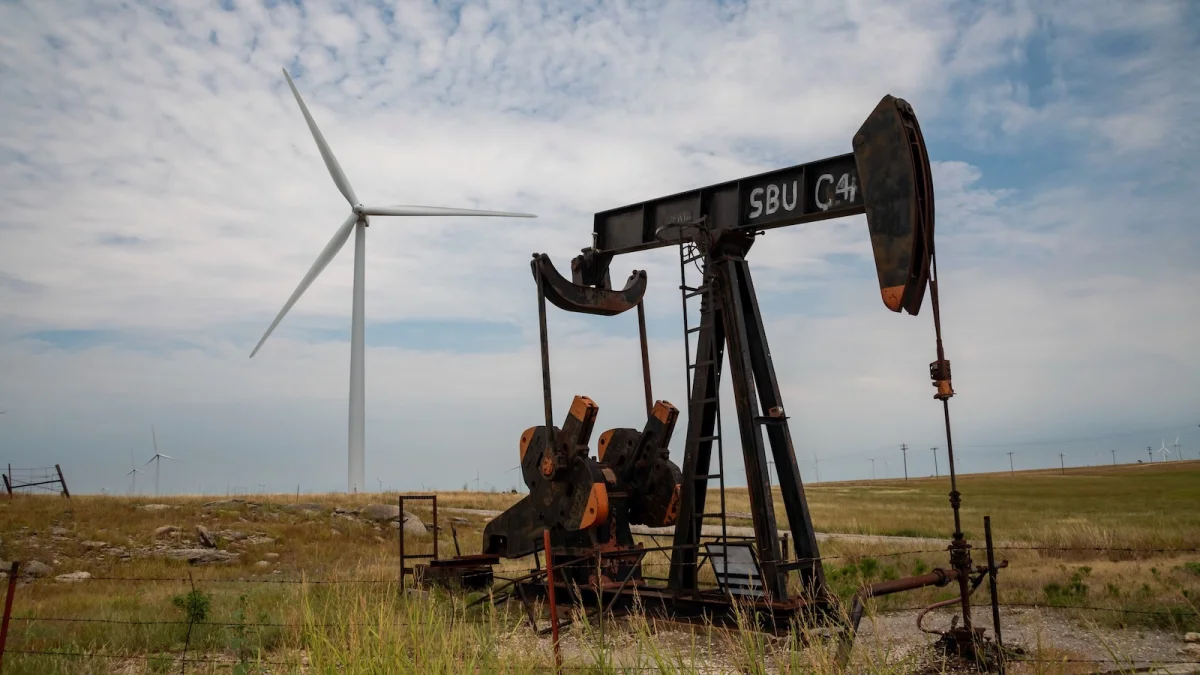
“What does that mean for the Osage Nation overall?” Beartrack asked. “Are all of these orphan wells our responsibility?” Former Principal Chief Geoffrey Standing Bear, now on the Osage Minerals Council, said he wants a scientific and environmental review of federal actions related to the change. The council has long maintained that the BIA is trustee of the Osage mineral estate.
The council works to attract producers and lease the mineral estate; the Nation’s DNR manages the well plugging grant. Peltz said those activities need not compete. Older wells in developed fields have to be plugged before modern horizontal drilling can proceed safely, he said. The cleanup therefore addresses both legacy risks and conditions needed for future work.
Emergency criteria and field capacity
Before the guidance changed, one point of friction was whether a well qualified for emergency treatment. The DNR often flagged wells as emergencies. In March, Trumbly told committee members, “If everything’s an emergency, then nothing’s an emergency.” Peltz said some states and tribes relied heavily on emergency requests to get around backlogs, even though the process is intended for urgent hazards, such as a leaking well in someone’s backyard.
At the DNR’s request, the Osage Agency developed a weighted checklist. A score of 75 or higher could designate a well as an emergency when it was actively leaking, had high methane readings, or showed hydrogen sulfide near the wellhead. A fluid level above the deepest underground source of drinking water was weighted at 50. Peltz said that reading doesn’t establish that groundwater is contaminated, but it signals a risk that merits investigation.
Peltz, who reviewed the checklist, said it closely resembles scoring methods used in Texas and Louisiana. Leaks can threaten water and safety; methane can create an explosion hazard; and hydrogen sulfide is among the most dangerous substances found in oil fields. He said the drinking water measure could have received a higher score, but its assigned weight wasn’t inherently unreasonable.
Beartrack said the checklist hasn’t sped up permit decisions and that some questions overlap or conflict. He has ideas for revising it, but that work isn’t a priority. If a well has dangerous conditions, the crew will plug it, he said. For the DNR, the greater constraint is the time and staffing needed to collect and check information on each site.
What comes next
Beartrack said the DNR was completing contracts and purchase orders for rigs expected to begin work in the coming weeks. Phase 2 has roughly 70 to 80 wells ready for plugging. He doesn’t expect a sharp rise in annual output: the agency may still complete about 70 wells during the fiscal year. The crew remains small, and each site requires investigation before work begins.
The program also needs more engineers and procurement staff to prepare work for bidding, Peltz said. He hopes the Nation can direct contracts to Osage Nation businesses. Building that capacity could help turn available funding into more completed jobs, though the condition of each well and the quality of its records will continue to affect the pace and cost.
Beartrack said modern well design can protect drinking water when operators follow current standards. Many older wells his crews encounter were drilled before surface casing was routinely set deep enough to protect freshwater; he said that practice took hold around the 1970s. The wells may have met the standards of their time, but those standards weren’t the same as today’s.
At Harvest Land, the planned finish is consistent from site to site: clear and remediate the area, restore the surface, and leave the well capped and buried, with a record of its location. “The final result is you won’t see anything,” Beartrack said. The work’s lasting value will be less visible: a properly closed well, better records for future crews, and fewer unknowns beneath the land.